A Glimpse into Umbria's Timeless Soul
Being the only landlocked area in central Italy, Umbria is an ancient and charming combination of stunning landscapes and timeless culture. Its geography forms an attractive patchwork of productive valleys, lush forests, and peaceful bodies of water, including the grand Lake Trasimeno. A less frenetic piece of Italy, this area feels like the real thing.
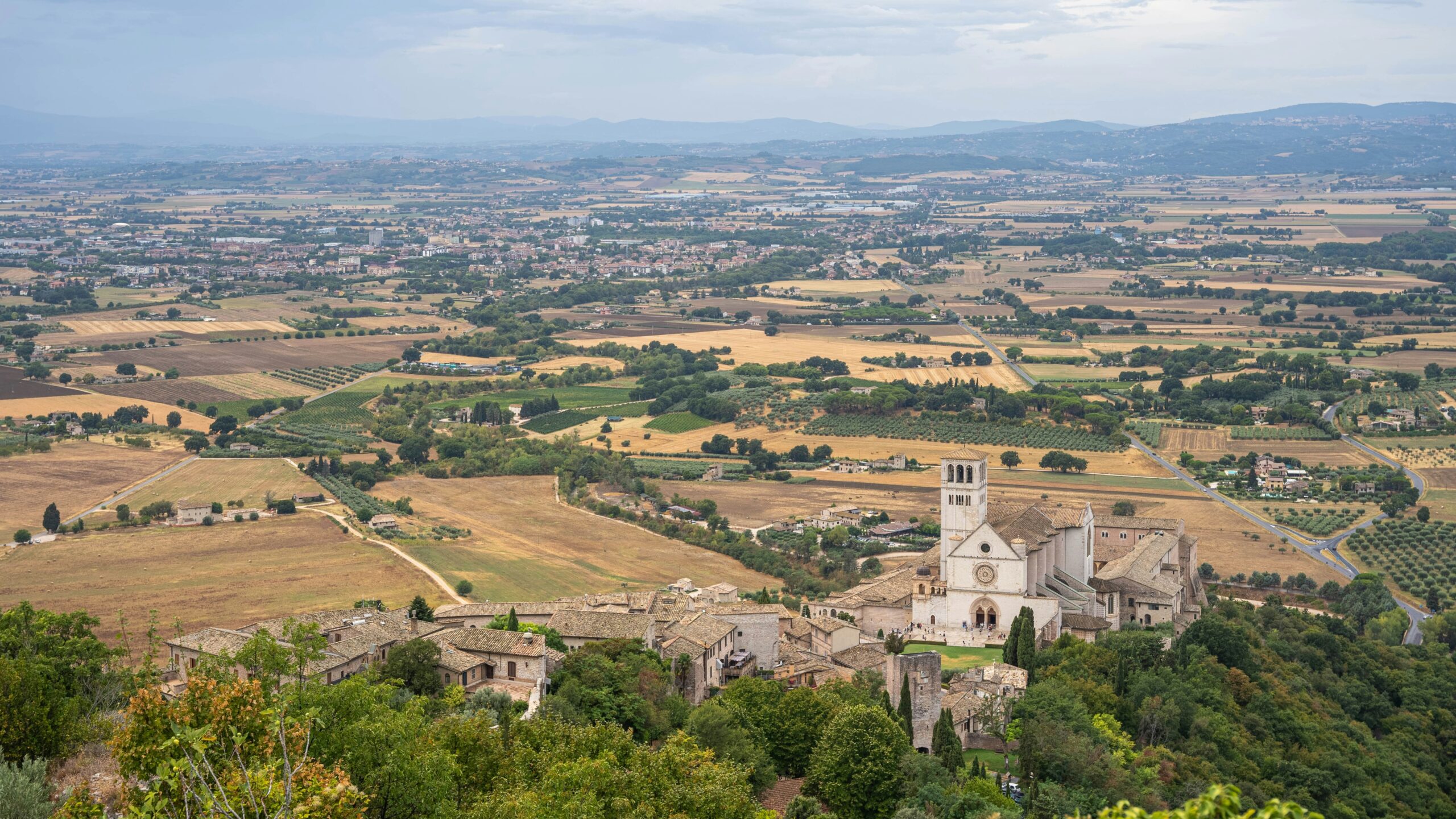
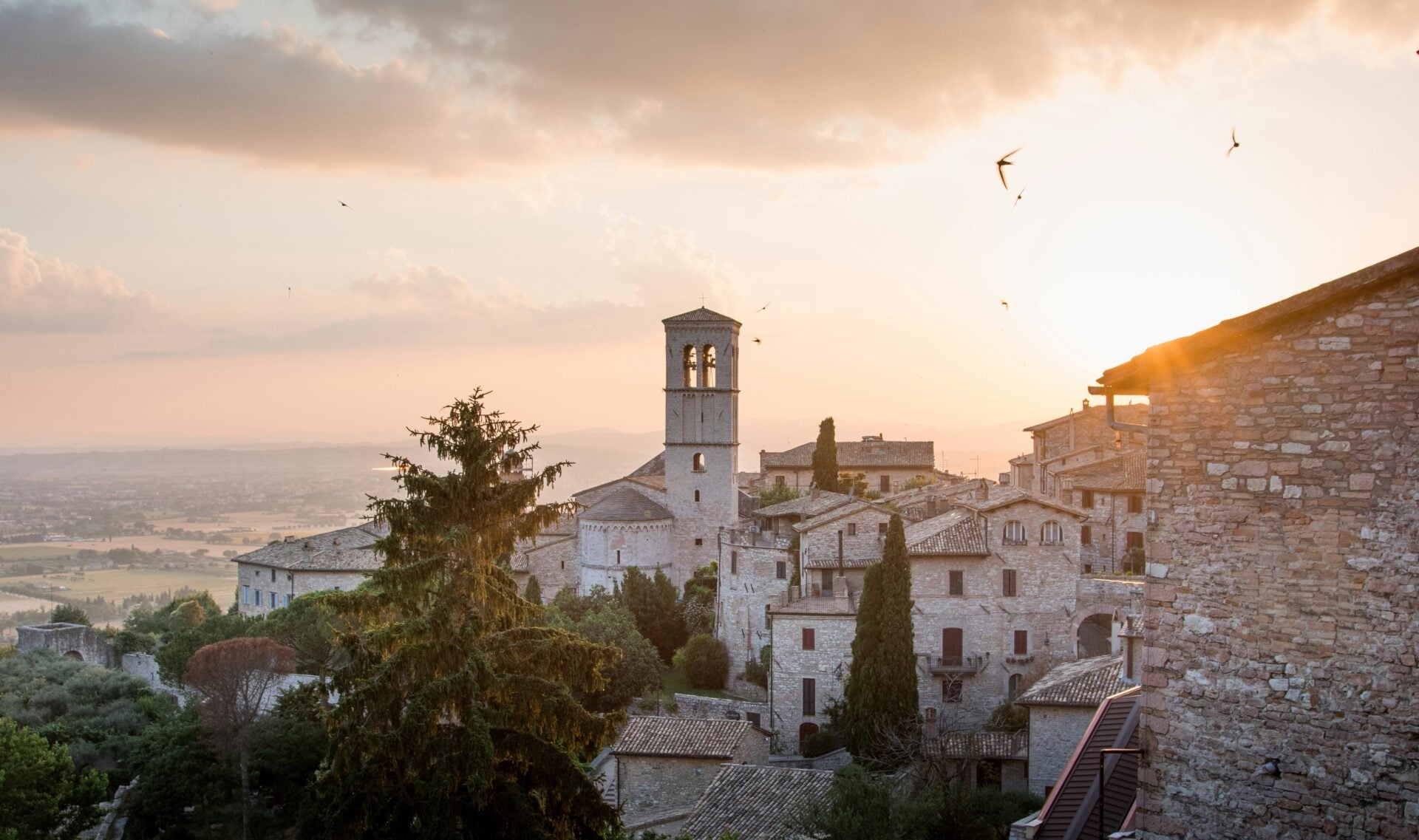
This region’s history is out in full force with its thousands of quaint towns. UNESCO World Heritage site Assisi is an important spiritual hub. Orvieto, which sits atop a volcanic outcropping, has a breathtaking Gothic cathedral and an extensive system of subterranean caves. Gubbio, which has easily earned it another moniker, “City of Stone,” is a medieval masterpiece with steep, curving roads and aged buildings.
Umbria’s ancient history, from Etruscan through Roman, lies side by side with its vibrant culture, which celebrates art, music, and simple, rustic cuisine. It is a place where you can see ancient civilizations and have an idyllic, real Italian experience.

Food
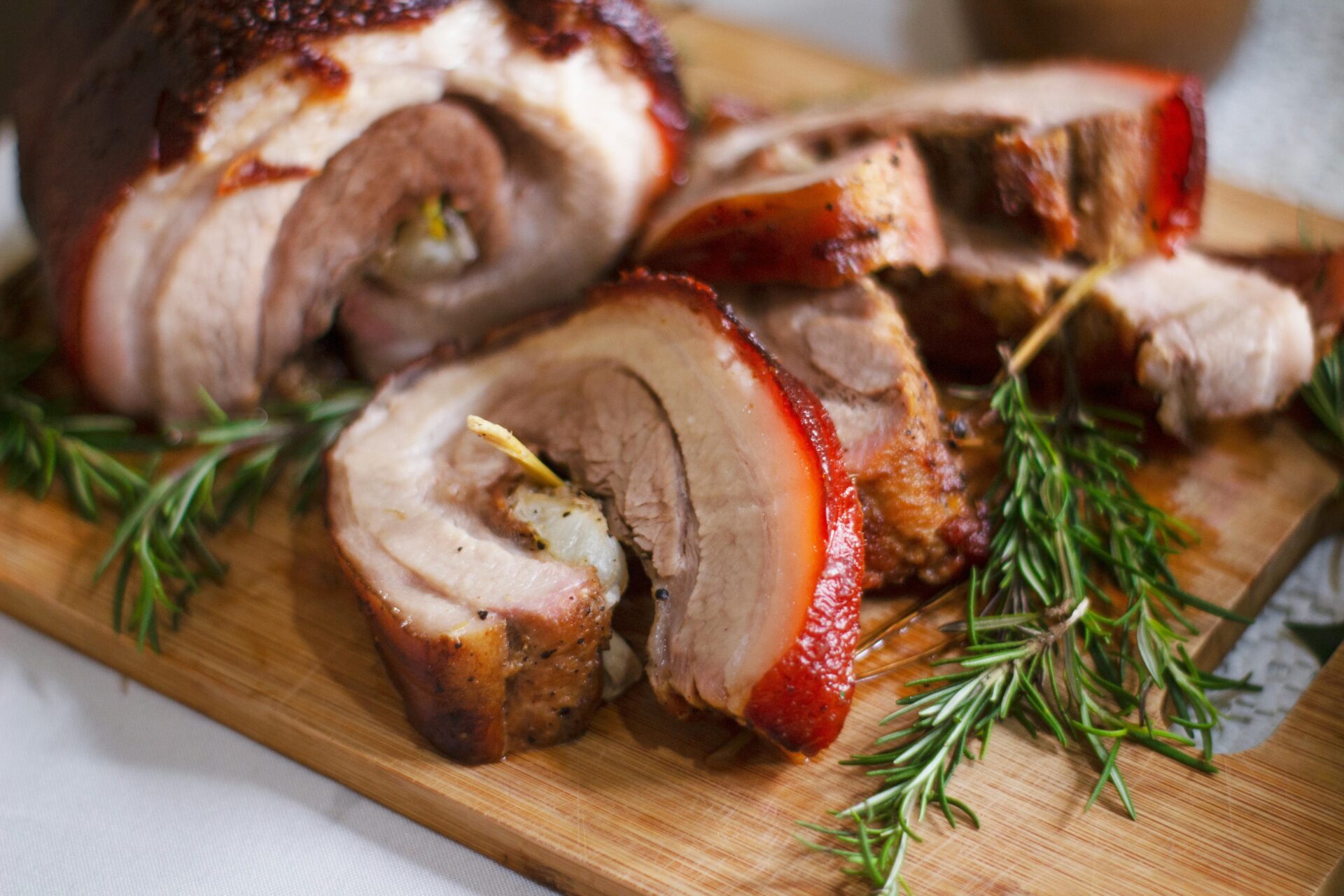
Provincial cuisine is a showcase of Umbria’s “green heart.” The cooking has rustic, down-to-earth overtones, emphasizing exemplary ingredients from its forests and pastures. It’s truffle heaven, with the famous black truffles far around Norcia employed to make plain pastas richer and enrich meats with an earthy note. Pork, too, plays its part, with the old-world tradition of norcineria giving birth to renowned cured meats, as well as the herb-crammed, pan-roasted porchetta.
Its gastronomic range goes beyond truffle and pork. There are also the fresh lake fish of Lake Trasimeno featured in tegamaccio, an old-fashioned fish soup. The province has its humble pastas and nutrient-dense legume-based soups. Dessert includes the famous Perugian chocolate, notably the famous Baci, as well as traditional confections like brustengolo.

Wine
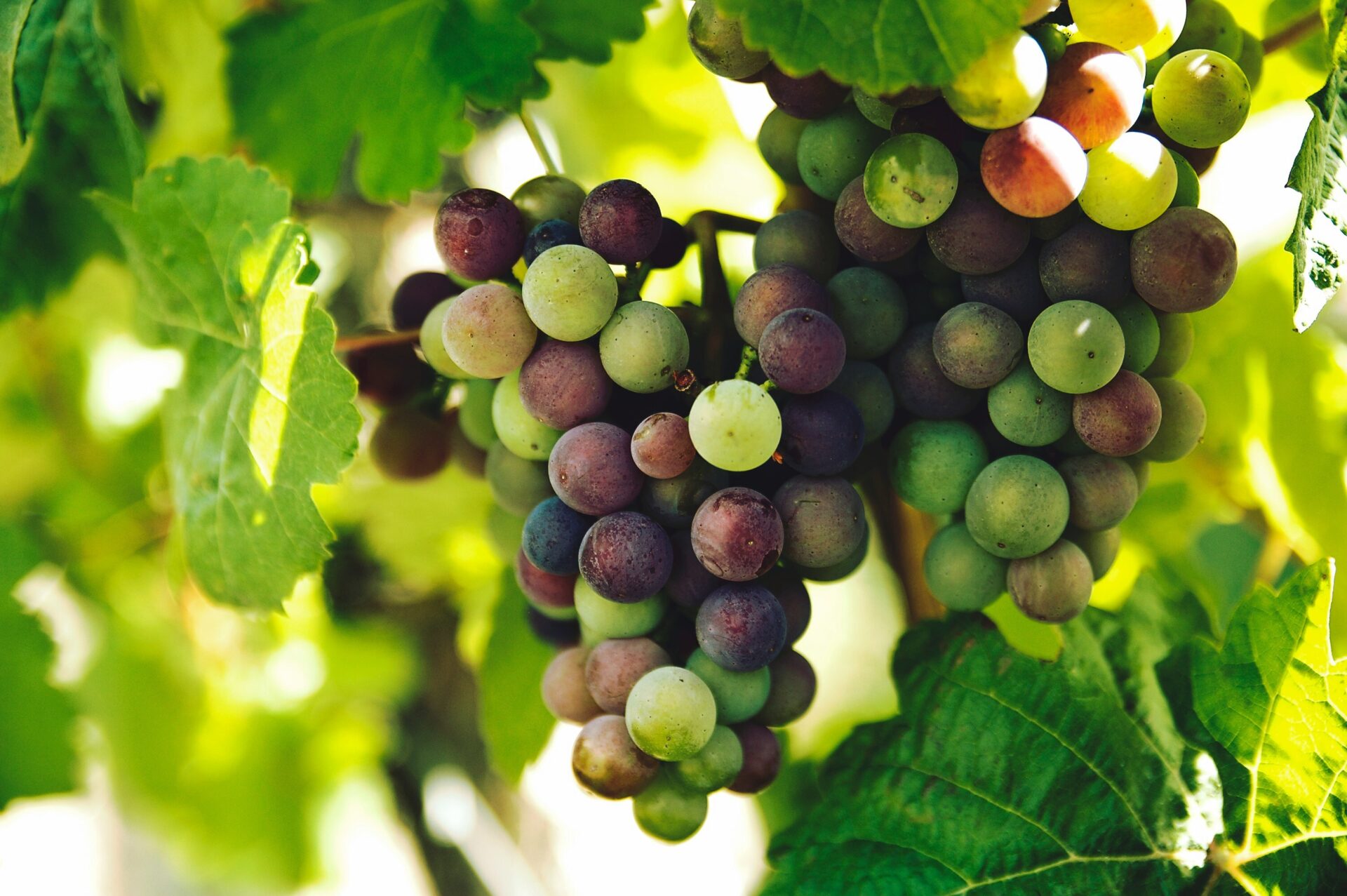
Umbria is a quality wine region, which is famed for its powerful red wines no less than its dry crisp whites. The red wine focus within the region comes around Montefalco, which is home to that venerable grape variety, Sagrantino. Its thick-skinned berry ripens to become the powerful, tannic Sagrantino di Montefalco DOCG, which has huge cellar potential. Torgiano Rosso Riserva DOCG is another key red wine, which is fashioned almost completely from Sangiovese, and which is remarkable for its maturity and grace. The region excels just as much with its whites, particularly those which are fashioned from the native grape variety Grechetto. Such wines, which encompass Orvieto Classico DOC, are appreciated for their crisp, fruit-forward style, often with almond nuances and satiny minerality. Such wines, overall, capture the diversity of Umbria’s terroir, ranging from productive hillsides down through peaceful valley floors, and an old tradition of winemaking whereby power and elegance are skilfully reconciled.

Culture
Umbrian culture is a rich fabric consisting of its ancient history, artistic traditions, and active contemporary culture. Ancient towns, some of which were first established during Etruscan and Roman times, are dotted across its landscape, their presence seen everywhere in their buildings and cityscapes. Its cities are cultural centers with high-ranking colleges and home to internationally renowned festivals like the Umbria Jazz Festival. The same mix of old and new is true of regional crafts, with locals still producing traditional ceramics, textiles, and lace.
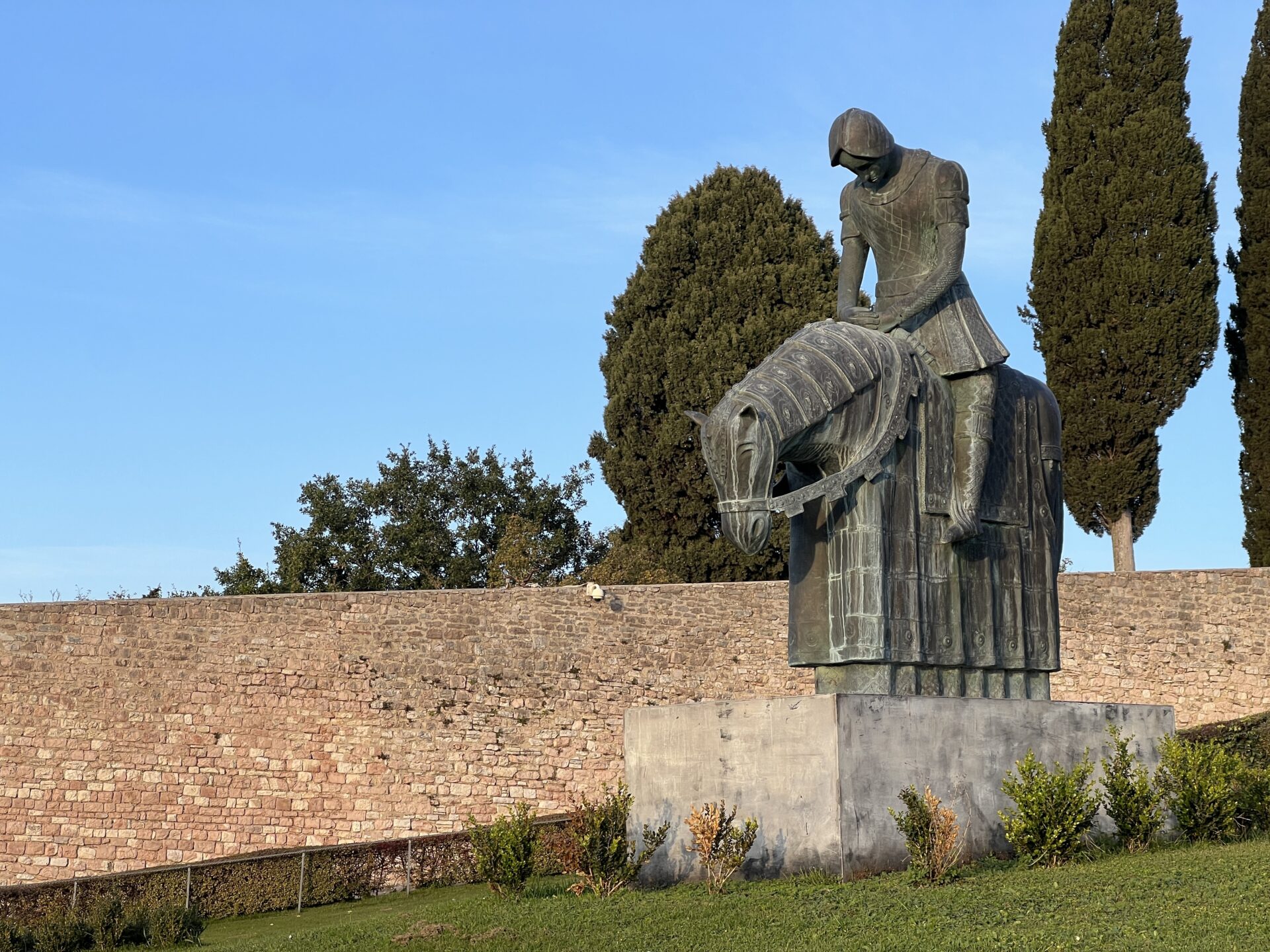
Umbria’s spiritual tradition is particularly rich, with Assisi, St. Francis’s birthplace, attracting pilgrims and tourists from everywhere in the world to its grand basilicas. The tradition continues through to an extremely wide spectrum of festivals, from ancient reenactments in towns like Gubbio to the world-famous Festival of Two Worlds in Spoleto, to mark community history and culture. Umbria is a highly vibrant and attractive cultural destination, where everything from each street, each alley, each tradition keeps a history within it.


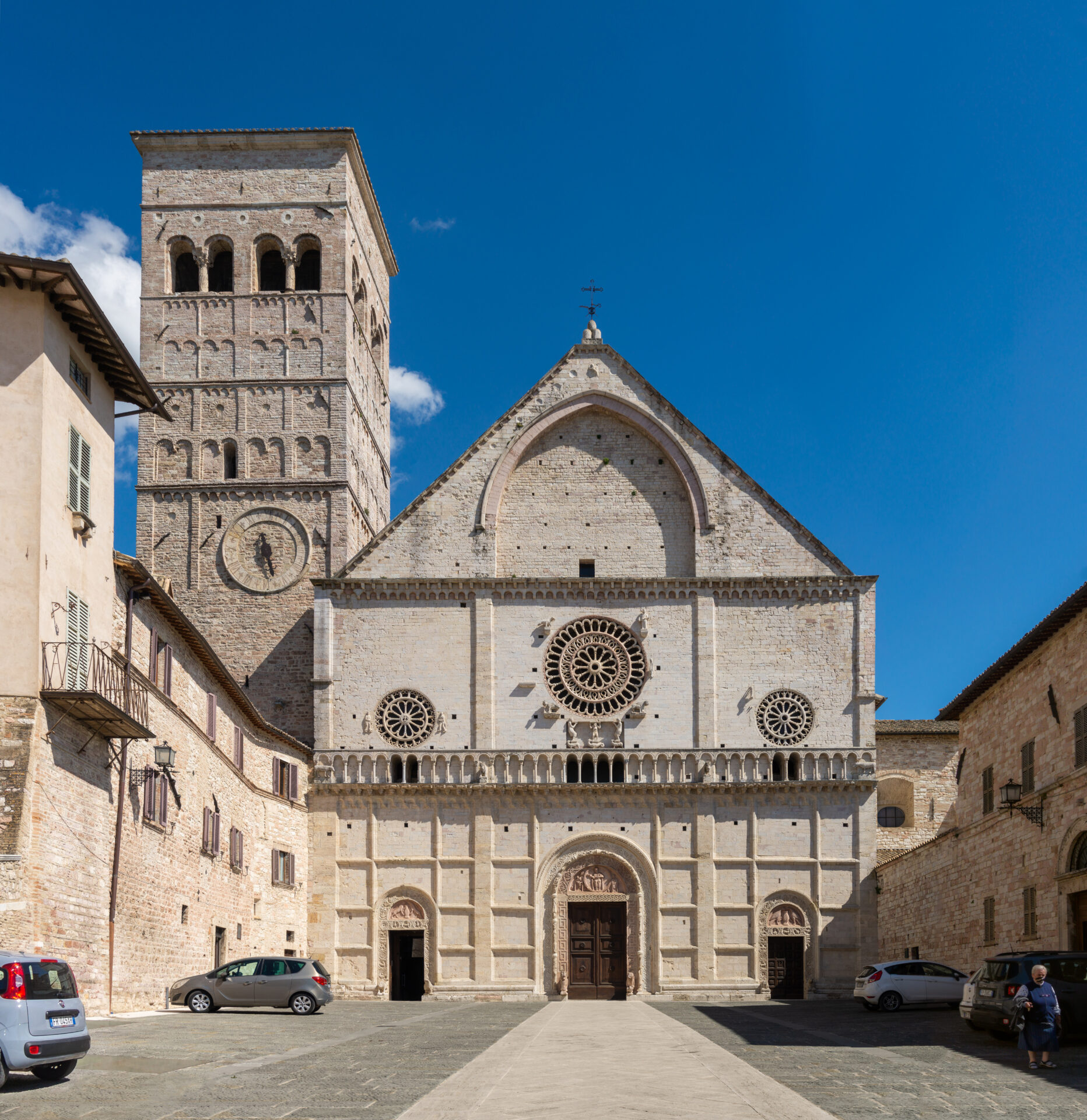
San Ruffino Cathedral
The route continues to the magnificent San Rufino Cathedral, where both St. Francis and St. Clare were baptized, before leading to Piazza del Comune, Assisi’s vibrant main square. Here, ancient Roman heritage meets medieval architecture, most notably in the Temple of Minerva, whose perfectly preserved 1st-century BCE Corinthian columns now front a Christian church. You’ll also discover intimate sites connected to Francis’s life, including the tiny Santuario di San Francesco Piccolino, believed to be his birthplace, and the Chiesa Nuova, built over his family home.

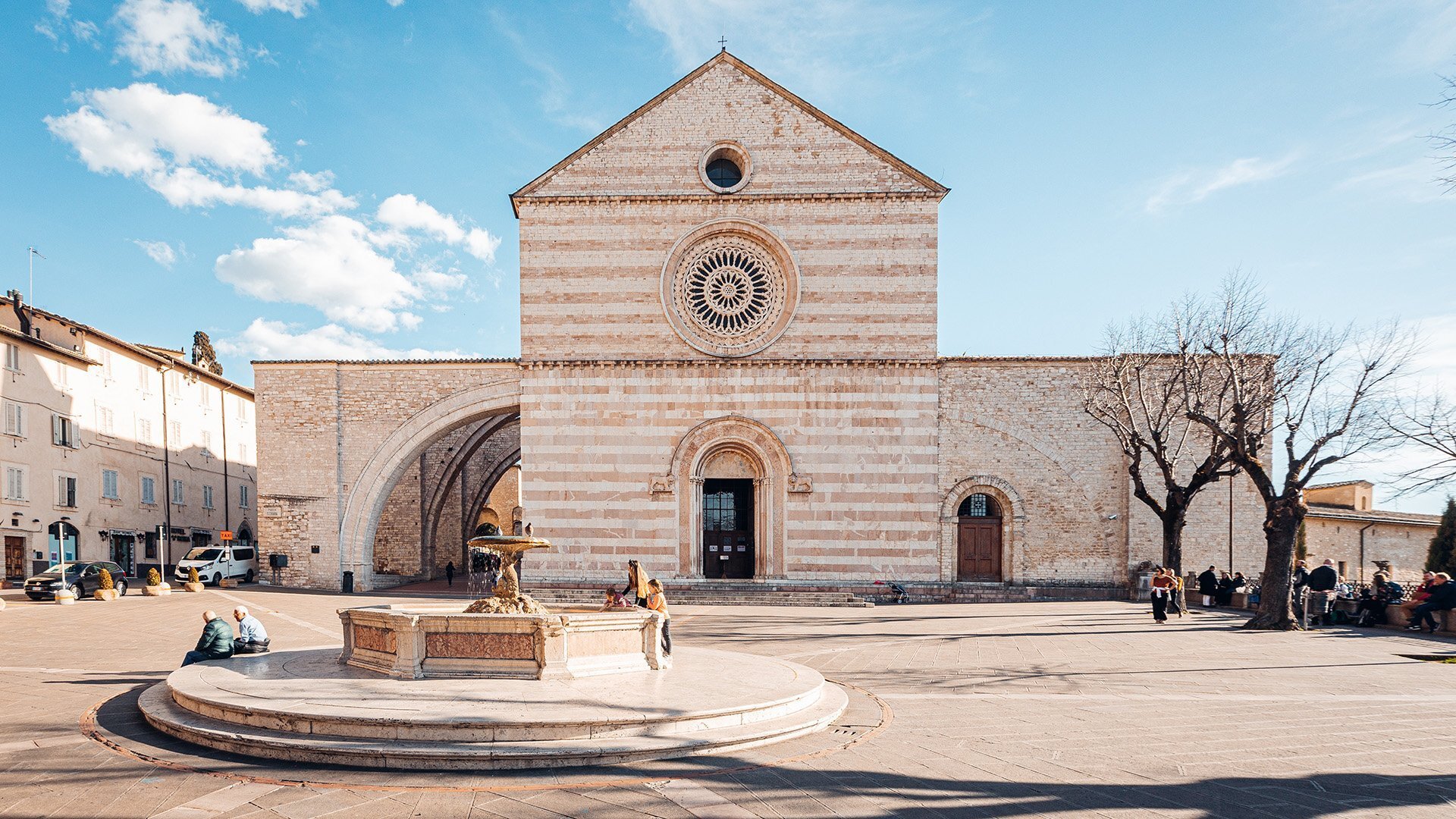
Bassilica of St. Clare
Explore the spiritual and artistic treasures of Assisi on this private walking tour that traces the life and legacy of St. Francis. Beginning at the Basilica of St. Clare, you’ll admire the striking pink and white stone façade sourced from Mount Subasio and view the miraculous Crucifix of San Damiano that spoke to St. Francis, inspiring his spiritual journey. The basilica also houses St. Clare’s tomb in its peaceful crypt.
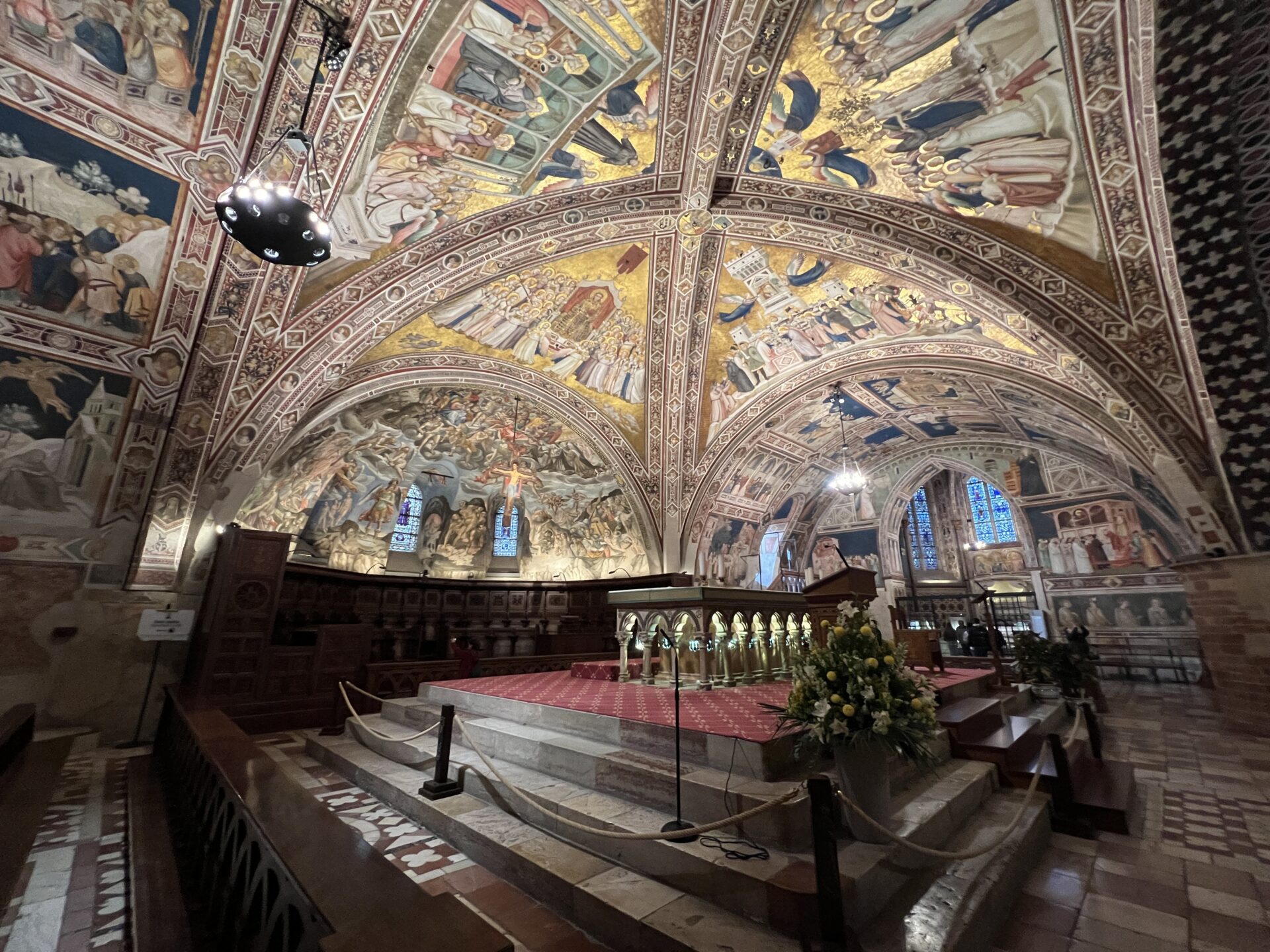
Basilica of St. Francis
The tour culminates at the crown jewel of Assisi, the UNESCO-listed Basilica of St. Francis. This architectural masterpiece houses one of Western art’s greatest treasures—Giotto’s revolutionary frescoes depicting the saint’s life in the Upper Basilica—as well as masterworks by Cimabue and the Lorenzetti brothers in the atmospheric Lower Basilica. The experience concludes with a visit to St. Francis’s tomb in the crypt, an especially moving moment in this journey through Assisi’s sacred landscape.