

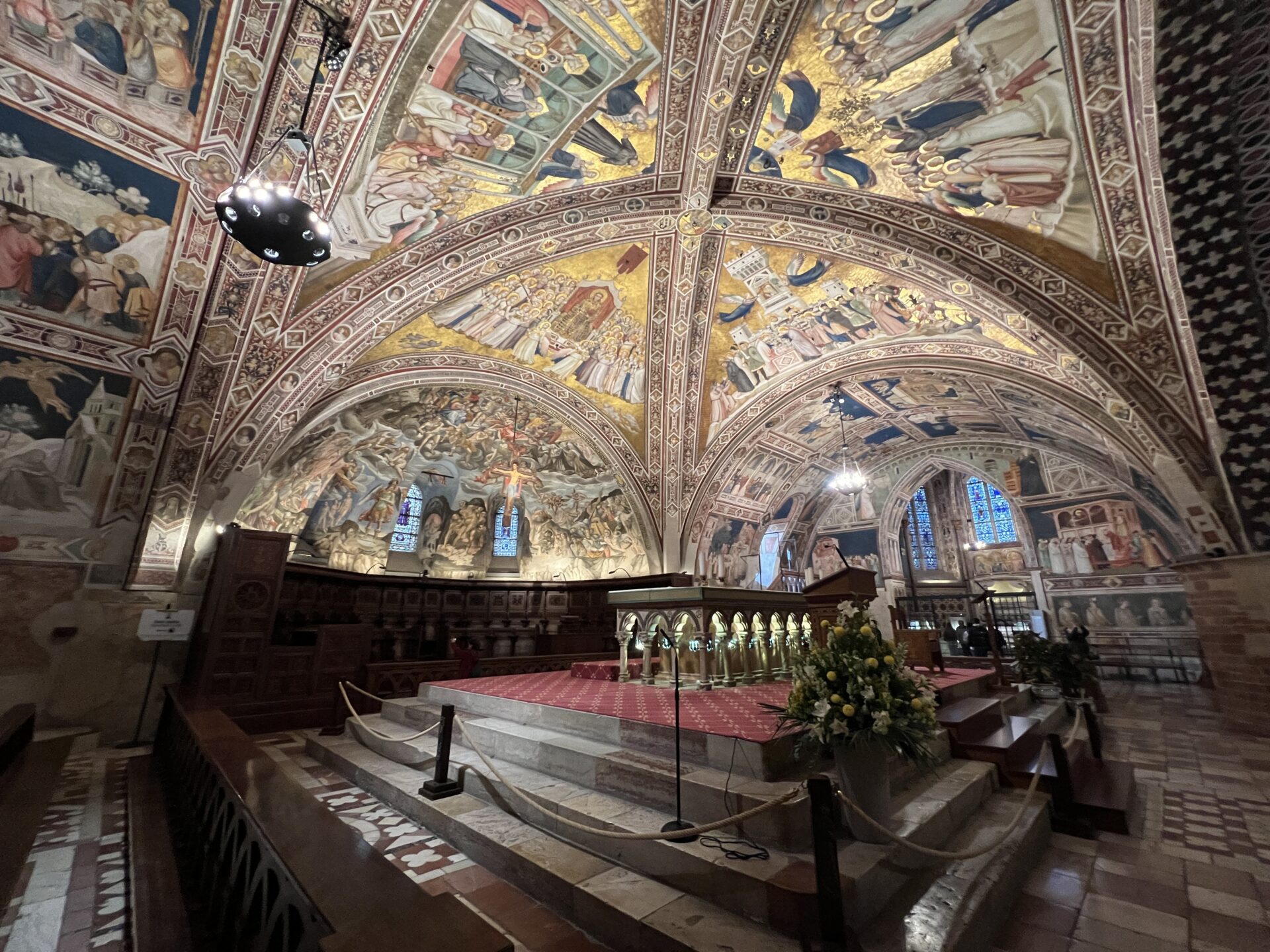
Basilica of St. Francis
The tour culminates at the crown jewel of Assisi, the UNESCO-listed Basilica of St. Francis. This architectural masterpiece houses one of Western art’s greatest treasures—Giotto’s revolutionary frescoes depicting the saint’s life in the Upper Basilica—as well as masterworks by Cimabue and the Lorenzetti brothers in the atmospheric Lower Basilica. The experience concludes with a visit to St. Francis’s tomb in the crypt, an especially moving moment in this journey through Assisi’s sacred landscape.
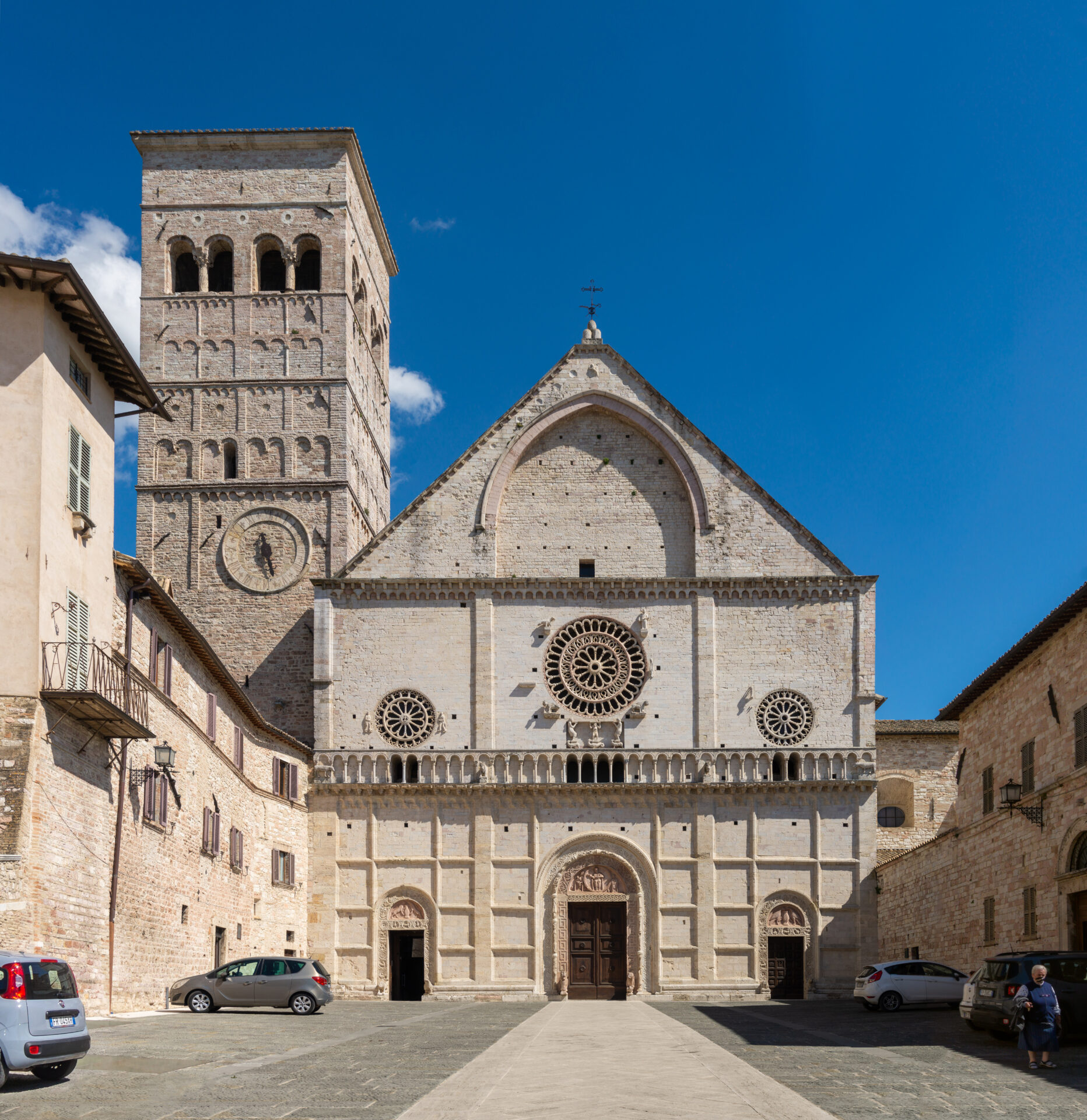
San Ruffino Cathedral
The route continues to the magnificent San Rufino Cathedral, where both St. Francis and St. Clare were baptized, before leading to Piazza del Comune, Assisi’s vibrant main square. Here, ancient Roman heritage meets medieval architecture, most notably in the Temple of Minerva, whose perfectly preserved 1st-century BCE Corinthian columns now front a Christian church. You’ll also discover intimate sites connected to Francis’s life, including the tiny Santuario di San Francesco Piccolino, believed to be his birthplace, and the Chiesa Nuova, built over his family home.
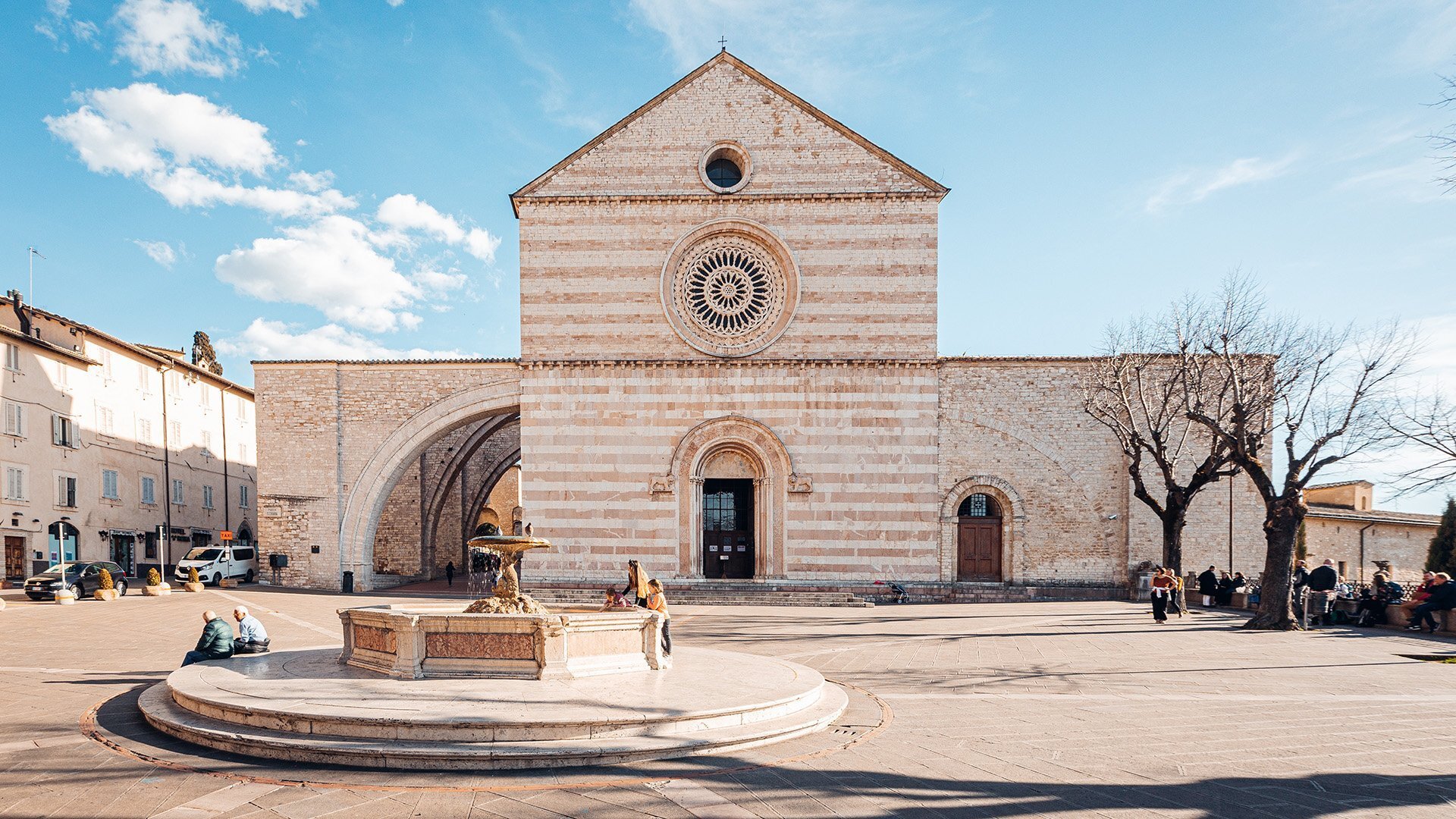
Bassilica of St. Clare
Explore the spiritual and artistic treasures of Assisi on this private walking tour that traces the life and legacy of St. Francis. Beginning at the Basilica of St. Clare, you’ll admire the striking pink and white stone façade sourced from Mount Subasio and view the miraculous Crucifix of San Damiano that spoke to St. Francis, inspiring his spiritual journey. The basilica also houses St. Clare’s tomb in its peaceful crypt.
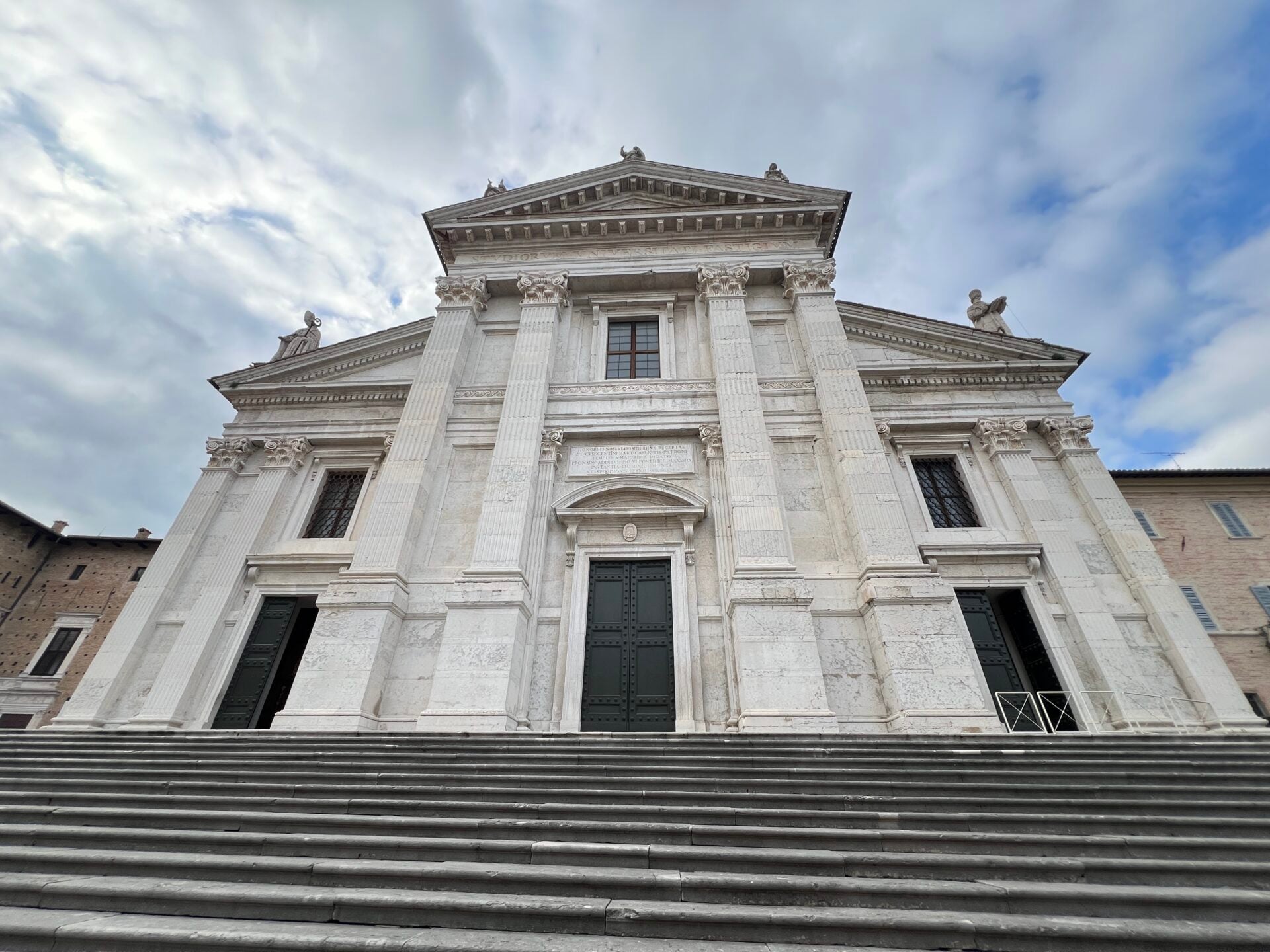
Cattedrale di Santa Maria Assunta
Urbino’s Cathedral was rebuilt in the Neoclassical style after an earthquake in 1789 destroyed the original medieval structure. The imposing church features a simple façade that belies its spacious, elegant interior. Inside, visitors can admire several important artworks, including the underground crypt which houses remnants of the earlier cathedral and offers a glimpse into Urbino’s medieval past. The Cathedral’s prominent position near the Ducal Palace underscores the close relationship between church and state power in Renaissance Urbino.
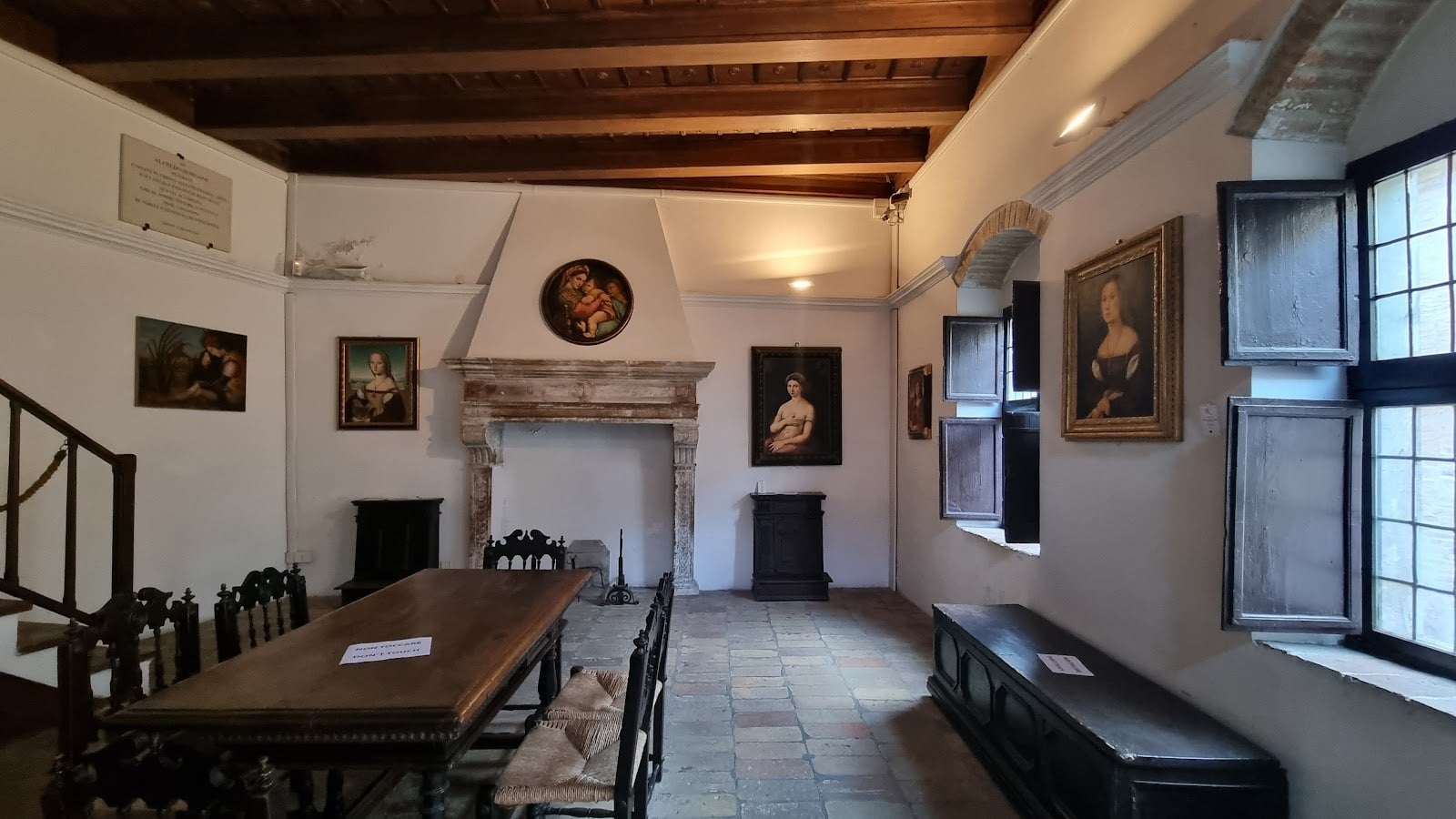
Cassa Raffaelo
Urbino’s most famous son, the Renaissance master Raphael (Raffaello Sanzio), was born here in 1483. Visitors can tour his birthplace, a modest but charming house-museum that provides insight into the artist’s early years and family life. The home contains reproductions of Raphael’s works, period furniture, and a fascinating collection of Renaissance ceramics. The house’s location in Urbino’s historic center helps visitors understand the artistic environment that influenced the young painter before he departed for Florence and Rome.
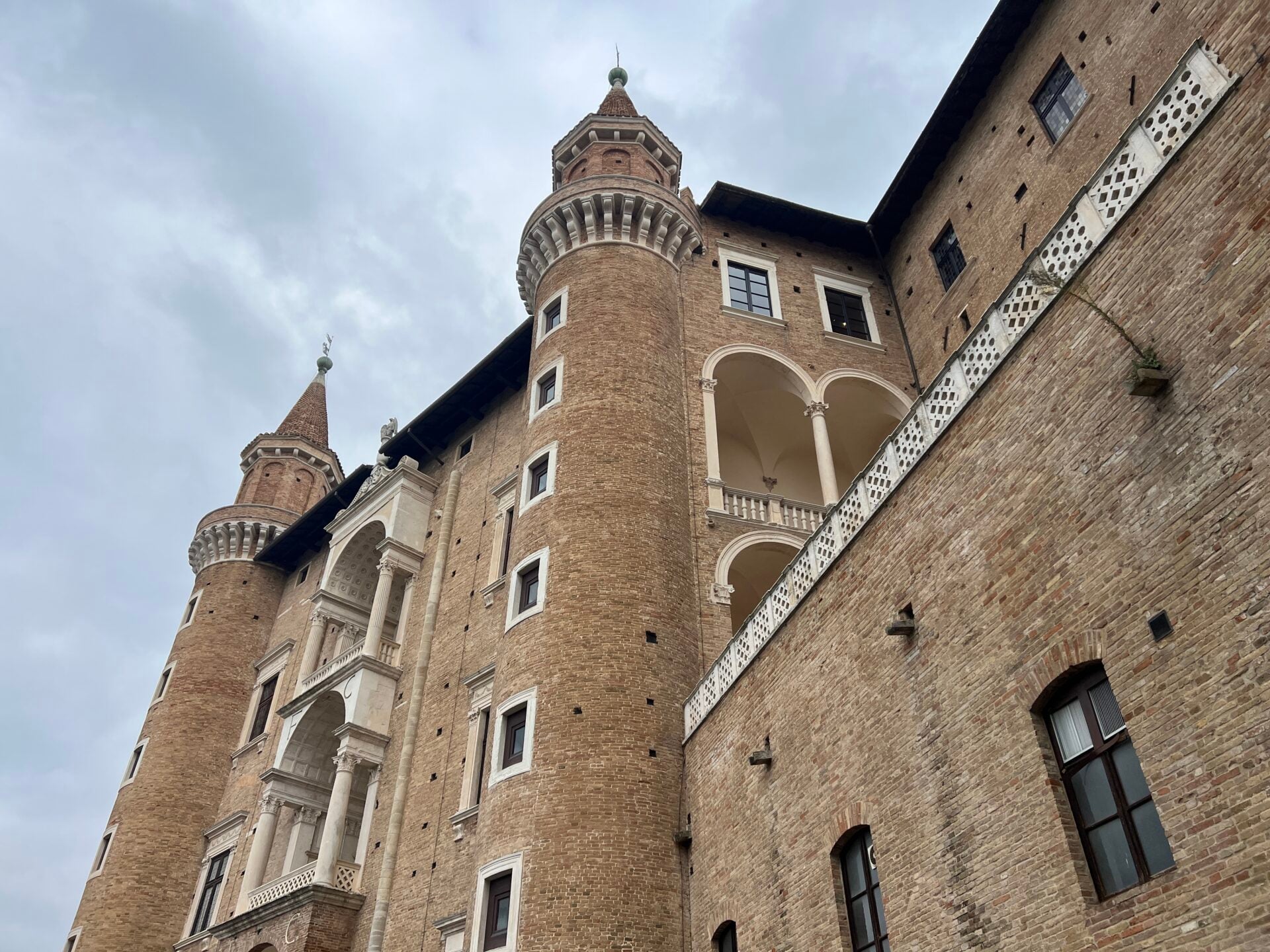
Palazzo Ducale
The magnificent Ducal Palace dominates Urbino’s skyline and stands as one of Italy’s most impressive Renaissance buildings. Built for Duke Federico da Montefeltro in the 15th century, the palace features the innovative architectural designs of Luciano Laurana and Francesco di Giorgio Martini. Inside, visitors can explore over 80 rooms across multiple floors, including the Duke’s studiolo (study) with its remarkable intarsia woodwork and the grand Throne Room. The palace houses the National Gallery of the Marche, containing an outstanding collection of Renaissance paintings including works by Piero della Francesca, Raphael, Titian, and Paolo Uccello.

Wine Not?
Experience an exceptional wine dinner at Wine Not, an elegant bistro in downtown Ancona created by the renowned Umani Ronchi winemaking family. Located on Lungomare Luigi Vanvitelli adjacent to the Grand Hotel Palace, this sophisticated venue offers a wine-centric dining experience where the region’s vintages take center stage.
Chef Leonardo Castaldi prepares seasonal dishes using ingredients sourced from local Marche producers, with each course thoughtfully paired with Umani Ronchi’s acclaimed wines. The dinner menu is specifically designed to showcase how the regional cuisine complements the distinctive characteristics of these celebrated wines. This immersive dining experience provides an authentic taste of Marche’s culinary and viticultural traditions in a stylish setting that balances tradition with innovation.
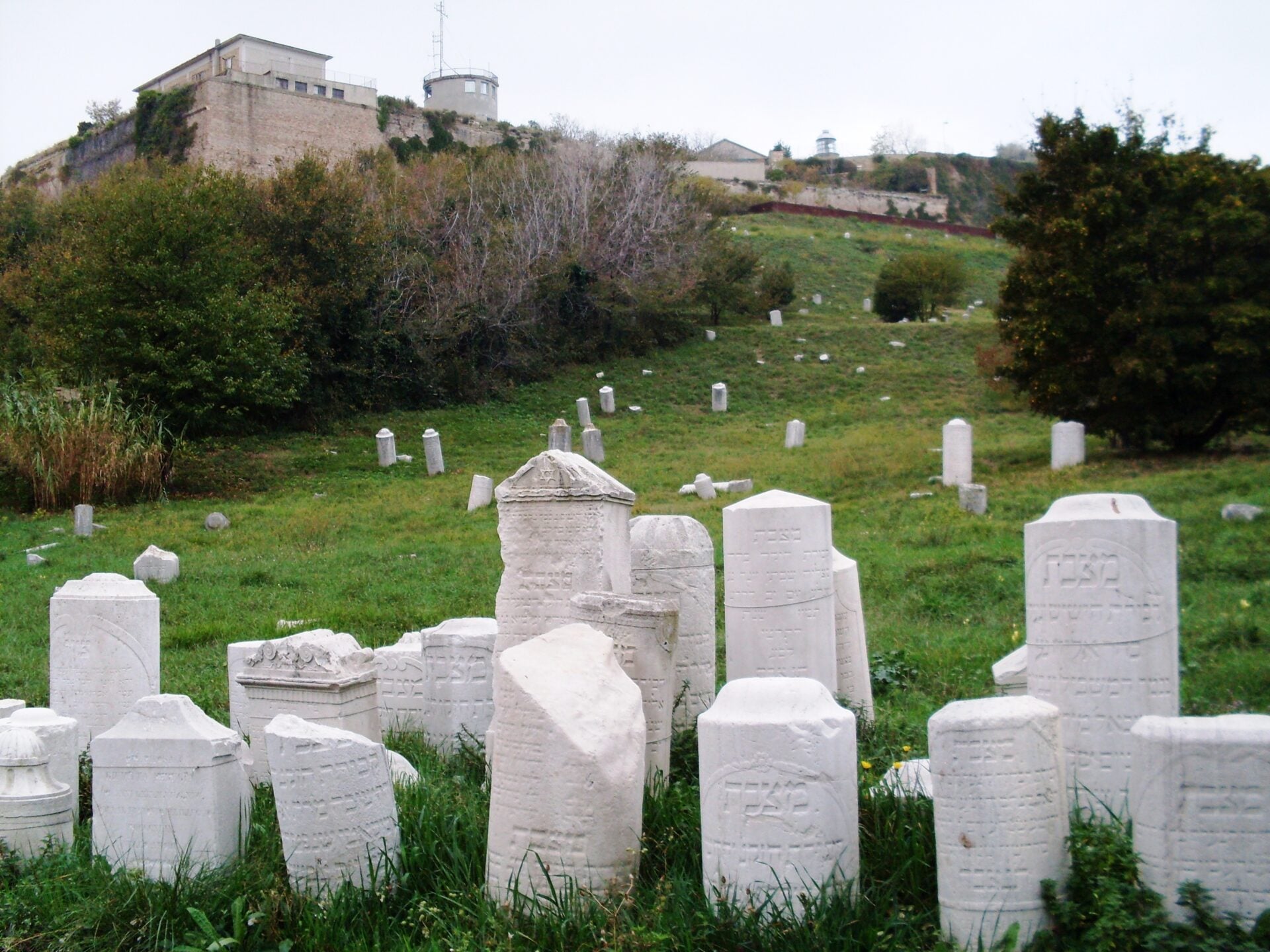
Cimitero Ebraico
Discover a poignant and historically significant site with a visit to Ancona’s Jewish Cemetery (Cimitero Ebraico). Established in 1709, this is one of the oldest and most important Jewish cemeteries in Europe. Located on the slopes of the Cardeto Hill, it offers a peaceful and reflective journey through centuries of Ancona’s Jewish community. The cemetery’s graves, particularly those dating back to the 18th century, feature intricate Hebrew and Italian inscriptions, providing a unique insight into the lives and heritage of the people buried there. As you explore the grounds, you’ll be treated to stunning panoramic views of the city and the sea, creating a moving and memorable experience that connects you with a vital part of Ancona’s past.
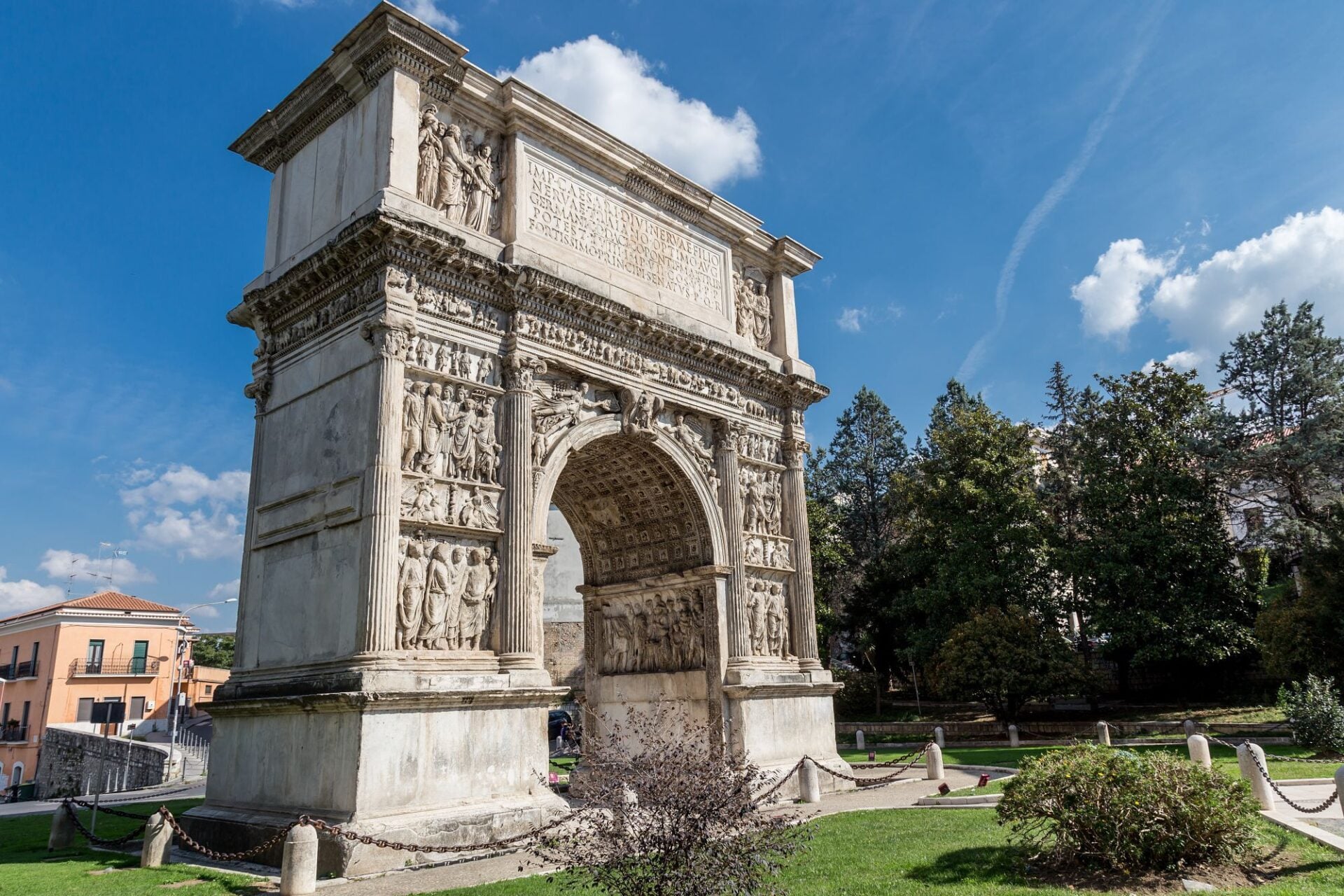
Arco Di Triano
Relive Roman grandeur with a tour of the Arco di Triano in Ancona. The masterpiece, dating back 115 A.D. when it was dedicated by the Senate and people of Rome, honored Emperor Trajan’s services in developing and expanding the harbor. The monument, made with Turkish marble under the architect Apollodorus of Damascus, towers over the harbor, reflecting Ancona’s past significance as an entrance passage into the East. Thanks to its harmonious proportions and good preservation, it represents one of the Le Marche area’s most valuable Roman remains. Once gilded bronze inscriptions and sculptures adorned the monument, but it remains an important piece of history that cannot be missed.
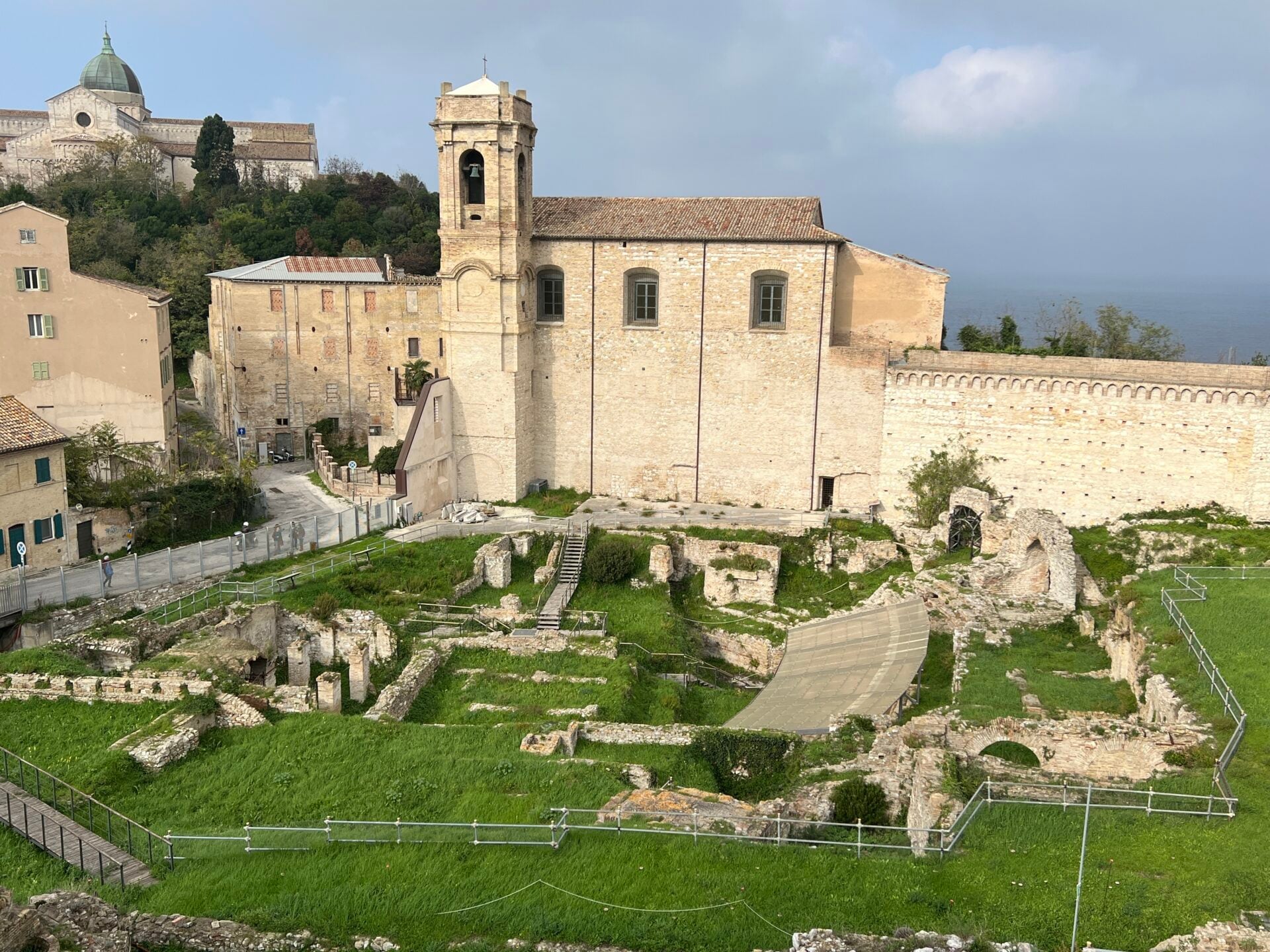
Roman Amphitheatre
Discover the historic past of Ancona with a visit to the Roman Amphitheatre. It dates back as far as the 1st century A.D. This historic site, situated in Via Birarelli, brings the Roman history of the city into focus. The amphitheatre, constructed on a hill saddle looking down over the port, previously provided the setting for gladiators’ performances and could seat thousands. Uncover the intriguing strata of history with your visit among the ruins of this ancient building and an adjacent Roman baths’ complex, set against the backdrop of panoramic views over the city.

Full Belly Tours
Full Belly Tours offers an immersive culinary journey through Testaccio’s rich gastronomic landscape. The tour takes visitors to carefully selected food establishments where generations of Romans have eaten, from the historic Testaccio Market to family-run delis, traditional trattorias, and artisanal food shops. Participants sample authentic Roman specialties, including supplì (fried rice balls), pasta all’amatriciana, cacio e pepe, distinctive offal dishes like trippa alla romana (tripe), and local street food favorites. The expert guides provide cultural and historical context, explaining how Testaccio’s culinary traditions reflect Rome’s complex history and the ingenuity of its working-class residents.
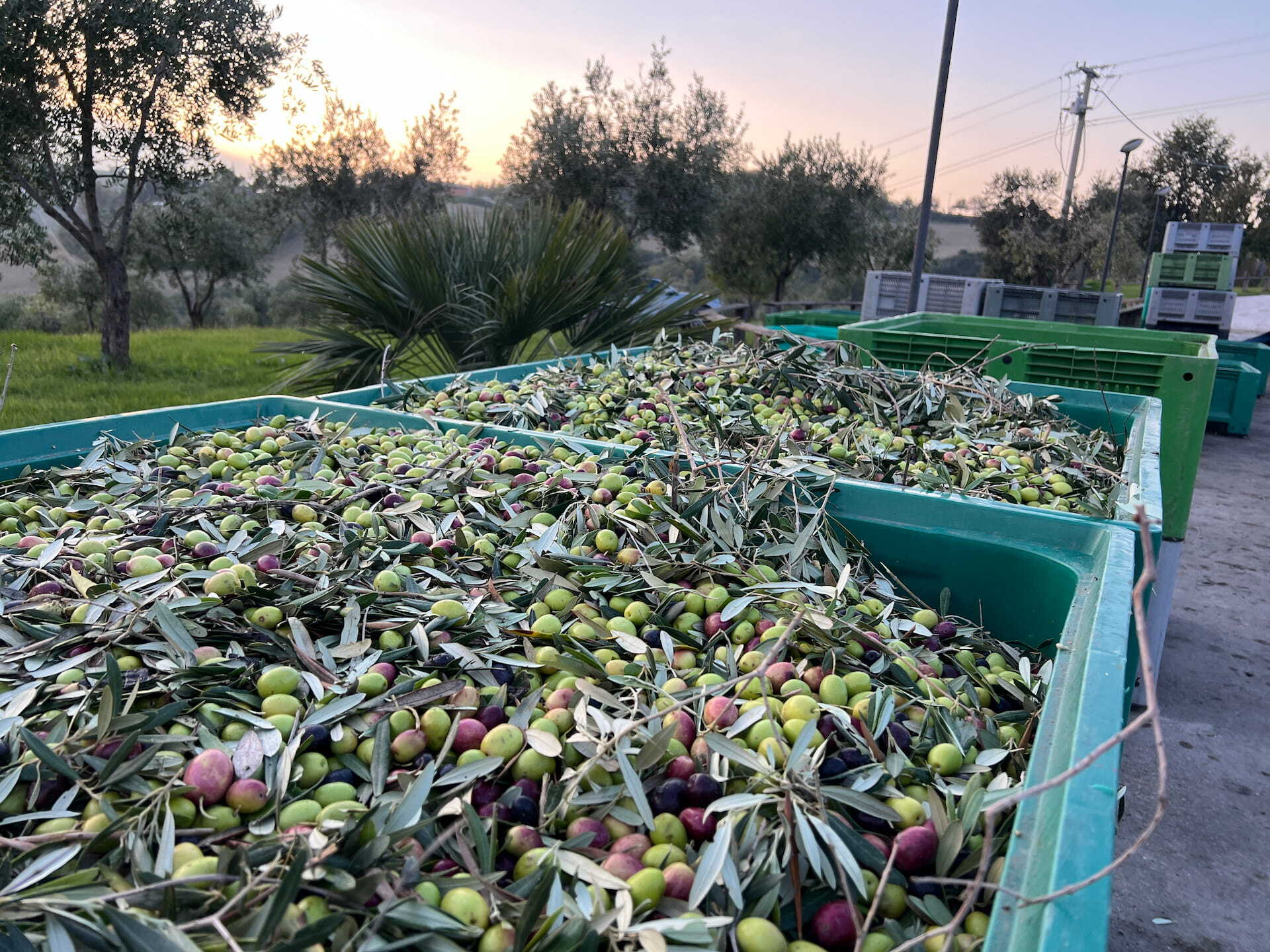
Conventino Monteccicardo
Nestled in the rolling hills of Le Marche, Conventino Monteciccardo is a charming estate where tradition and innovation come together in the art of winemaking and olive oil production. During our visit, we’ll enjoy a guided tour of the vineyards and cellar, followed by a tasting of their organic wines paired with house-cured meats, artisanal breads, and estate-produced extra virgin olive oils. This immersive experience offers a true taste of the region’s craftsmanship and rich agricultural heritage.
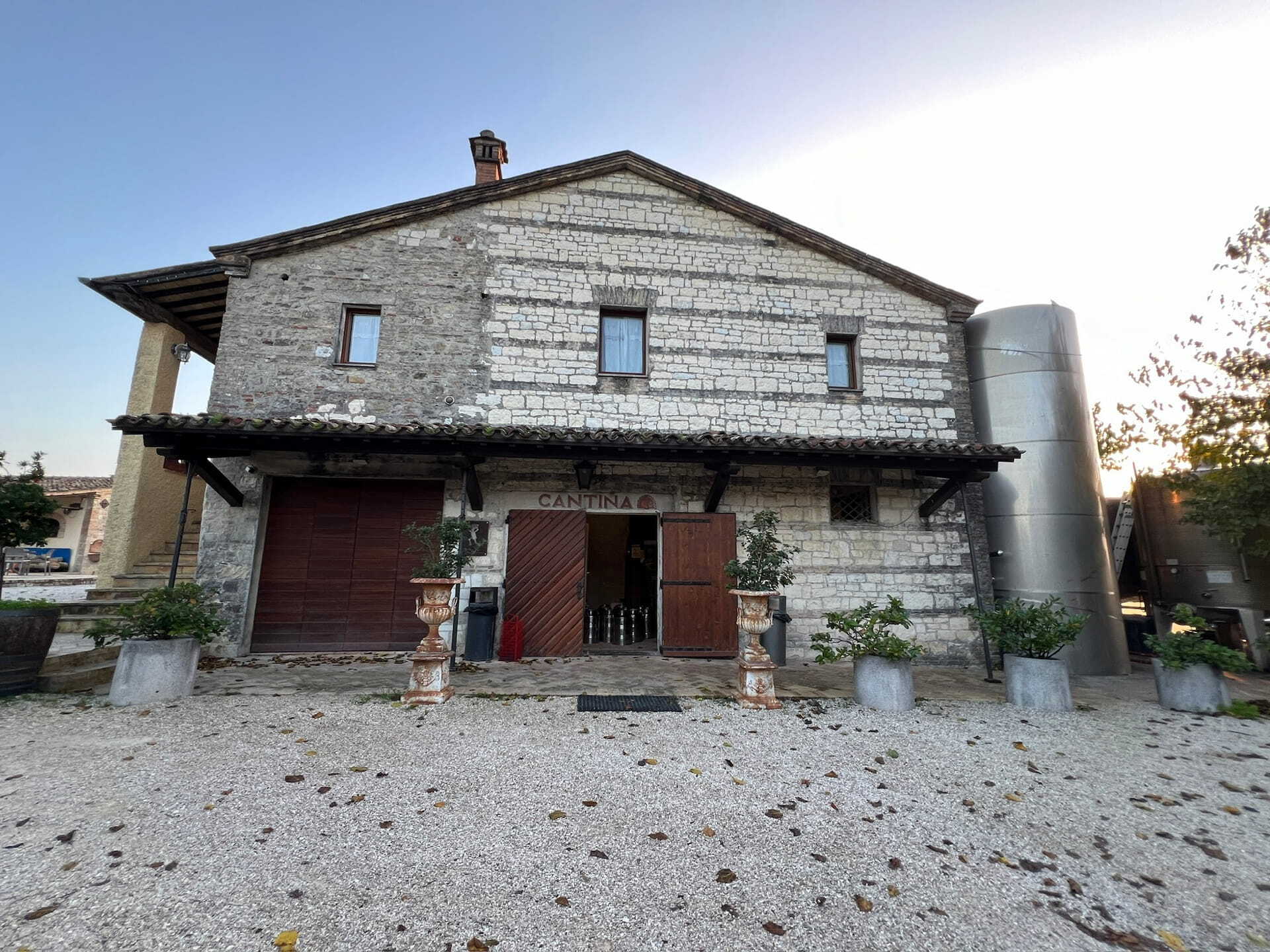
Cantine Moroder
Experience “Aiòn” – the Greek concept of living life to the fullest – at Cantine Moroder, where an exceptional truffle-themed wine dinner awaits in a beautifully restored 18th-century farmhouse. This evening combines the distinctive wines of the Conero region with the prized black truffles harvested from the surrounding countryside.
The special five-course tasting menu showcases three truffle-infused dishes, carefully crafted to highlight the earthy aromatics of this local delicacy. Each course is thoughtfully paired with one of Moroder’s estate wines, including their BianConero, Dorico Conero D.O.C.G. Riserva, Extradry Spumante, Notte Rosso Conero, and Zero (a sulfite-free Rosso Conero).
The dining room offers views overlooking the estate vineyards and the dramatic landscape of Monte Conero. The immersive three-hour dining experience concludes with dessert and coffee, providing a perfect introduction to the gastronomic traditions and exceptional wines of the Conero region.
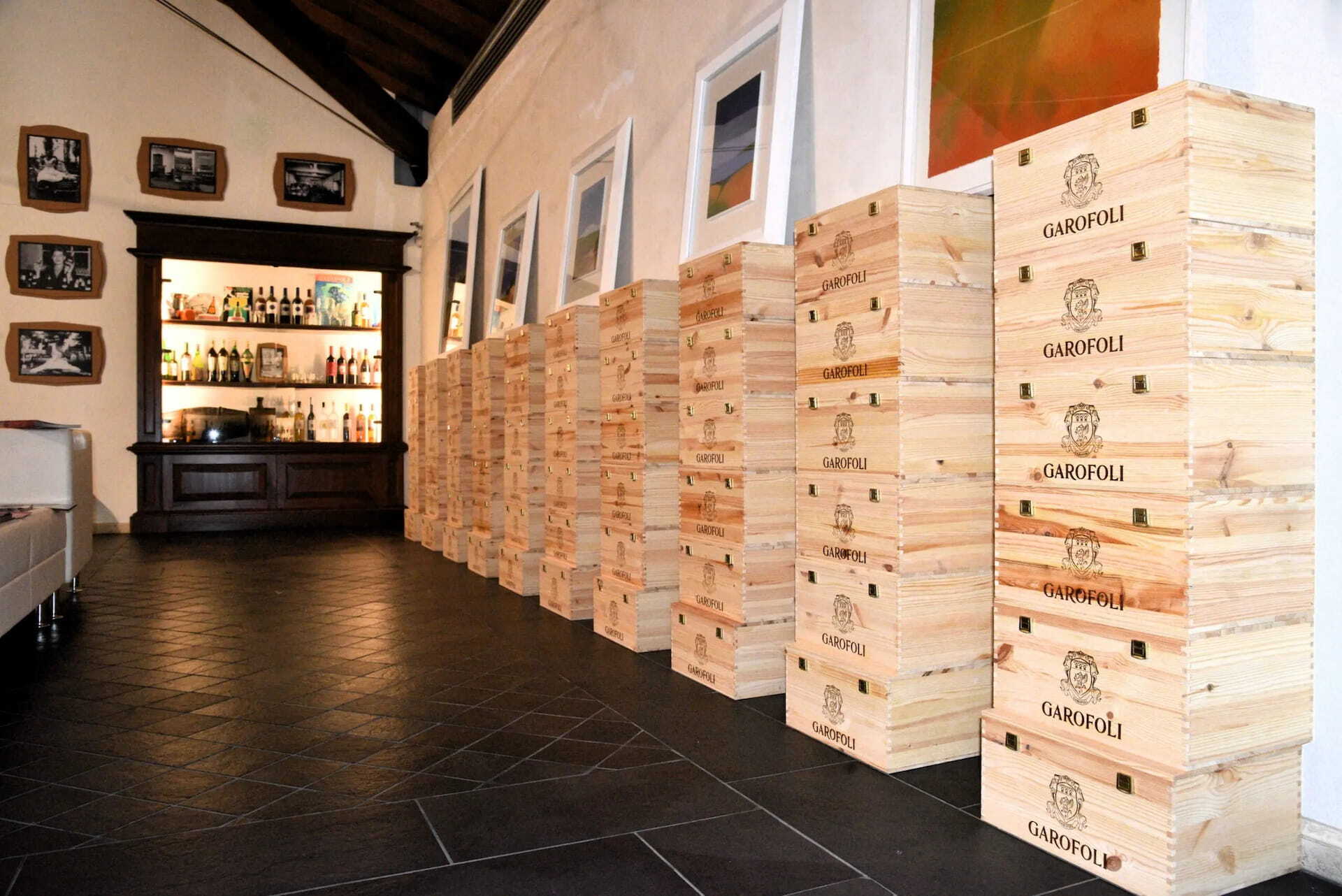
Casa Vinicola Gioacchino Garofoli
Wine Tasting & Lunch
Casa Vinicola Gioacchino Garofoli is one of the oldest family-owned wineries in the Marche region, with a winemaking tradition dating back to 1871. Five generations of the Garofoli family have preserved and enhanced this historical legacy while embracing innovation in viticulture and enology. Their estate vineyards are primarily located in the Castelfidardo, Montefano, and Loreto areas, where they cultivate indigenous varieties like Verdicchio and Montepulciano.
The winery is particularly renowned for its exceptional Verdicchio dei Castelli di Jesi, including the flagship Podium—a single-vineyard expression that showcases the grape’s remarkable aging potential. Their portfolio also features outstanding Rosso Conero wines made from Montepulciano grapes grown on the slopes of Monte Conero. Visitors to the winery can explore the historic aging cellars in Castelfidardo, where traditional methods meet modern techniques. The guided tasting experience offers insight into the distinctive terroir of this Adriatic coastal region and the Garofoli family’s thoughtful approach to winemaking that balances respect for tradition with forward-thinking practices.
Fattoria Le Terrazze
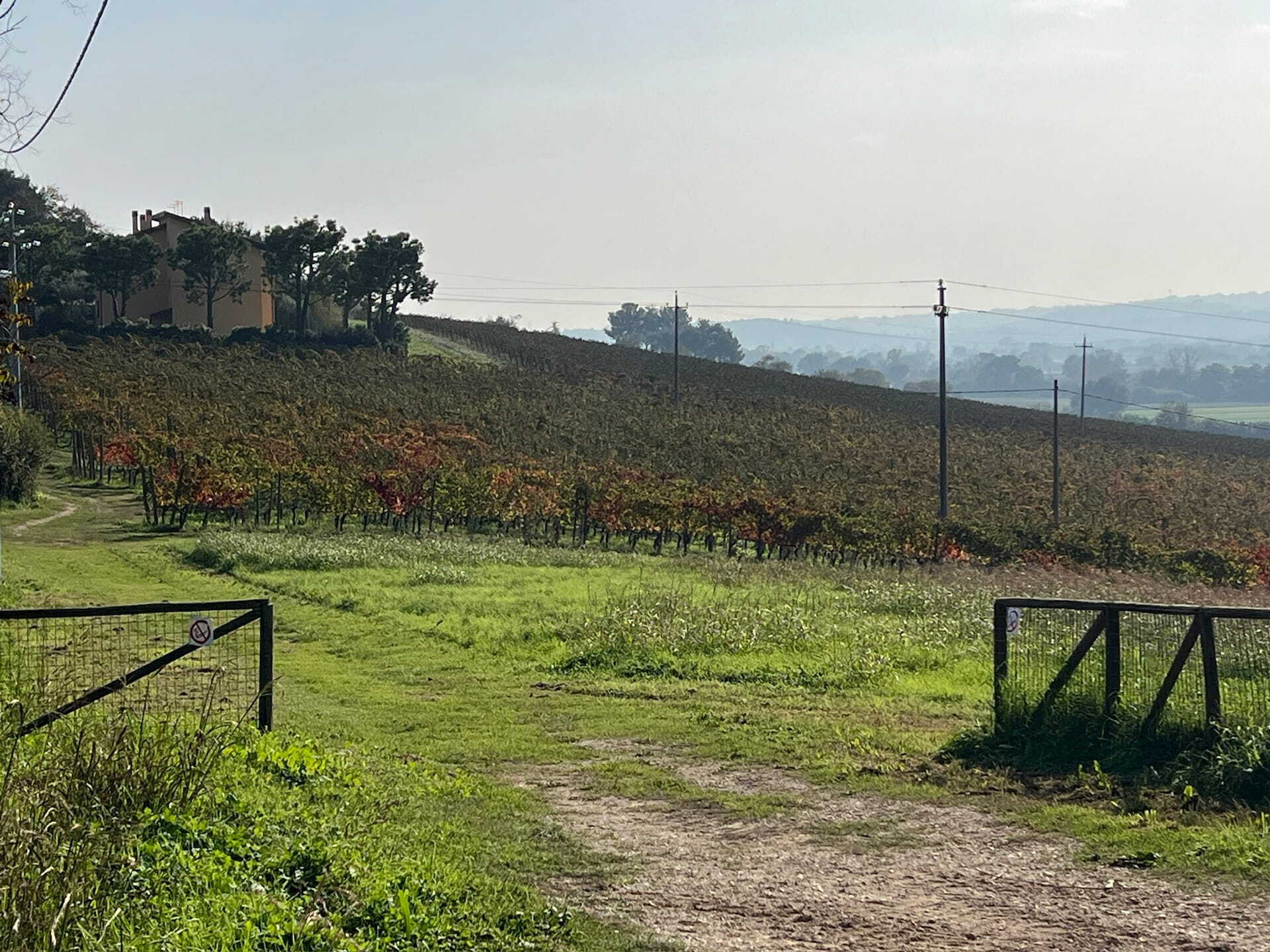
A historic winery on the Conero Riviera, Fattoria Le Terrazze has been crafting wines since 1882, blending tradition with a deep connection to the Adriatic coastline. Best known for its Rosso Conero, the estate also gained fame for Planet Waves, a wine made in collaboration with Bob Dylan. Family-owned and passionately run, it embodies the essence of Le Marche’s winemaking heritage.
Braceria Plinc
Cooking Class, Lunch, Truffle Hunting, Facility Tour
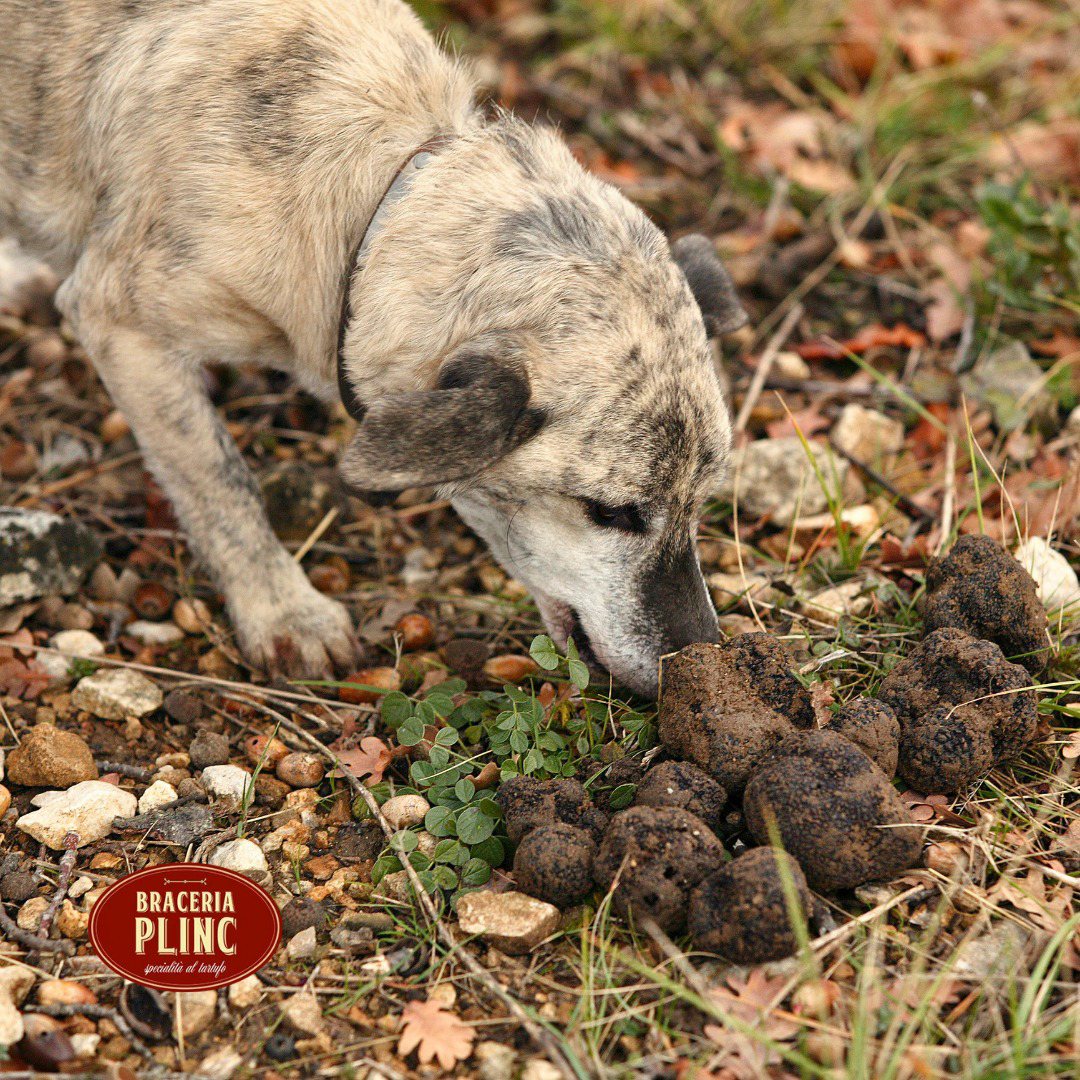
Acqualagna, known as the “Truffle Capital” of Italy, offers an immersive journey into the world of this prized culinary treasure. Your day begins with a hands-on cooking class at Braceria Plinc, where you’ll learn to prepare traditional handmade pasta—either passatelli or tagliatelle—and a regional dessert under the guidance of an expert chef.
Following your culinary efforts, enjoy a black truffle-themed lunch featuring crostini and scrambled eggs with freshly shaved truffle, your handmade pasta dressed with black truffle, dessert, coffee, and house wine. After lunch, experience the ancient tradition of truffle hunting alongside professional truffle hunters and their trained dogs as they search for these aromatic treasures in the woodlands around Acqualagna.
The experience concludes with a fascinating tour of a truffle processing facility, where you’ll learn how these precious fungi are cleaned, preserved, and transformed into various products. This full-day exploration offers a complete understanding of the cultural and culinary significance of truffles in the Marche region, from forest to table.

Villa d’Este
Villa d’Este is a 16th-century masterpiece commissioned by Cardinal Ippolito II d’Este (son of Lucrezia Borgia) after his failed bid to become pope. The villa was designed by architect Pirro Ligorio and constructed between 1550-1572 as a statement of the cardinal’s wealth and power. While the palace interior features impressive Renaissance frescoes depicting classical and religious scenes, the true glory of Villa d’Este lies in its terraced gardens. These gardens showcase an extraordinary system of fountains, grottos, nymphs, and water features that operate entirely by gravity rather than pumps. Highlights include the Avenue of a Hundred Fountains, the water organ fountain that plays music through hydraulic power, and the grand Water Theatre Fountain. The villa exemplifies the Italian Renaissance garden aesthetic and demonstrates remarkable engineering innovation, earning its designation as a UNESCO World Heritage Site in 2001.

Piazza Navona
Piazza Navona is one of Rome’s most famous public squares, built on the site of the Stadium of Domitian where the ancient Romans came to watch competitive games. The oval shape of the piazza follows the outline of the stadium that once stood there. Three magnificent fountains adorn the square: the central and most spectacular Fontana dei Quattro Fiumi (Fountain of the Four Rivers) designed by Bernini; Fontana del Moro at the southern end; and Fontana di Nettuno at the northern end. The square is surrounded by restaurants, gelaterias, souvenir shops, and the Baroque church of Sant’Agnese in Agone, designed by Borromini and Rainaldi.

San Luigi dei Francesi
The Church of San Luigi dei Francesi (Saint Louis of the French) is a Roman Catholic church and the national church of France in Rome. Built between 1518 and 1589, it was designed by Giacomo della Porta and dedicated to the Virgin Mary, Saint Denis the Areopagite, and St. Louis IX, king of France. The church is renowned for housing three masterpieces by Caravaggio: “The Calling of St Matthew,” “The Inspiration of Saint Matthew,” and “The Martyrdom of Saint Matthew.” These paintings, located in the Contarelli Chapel, showcase Caravaggio’s revolutionary use of chiaroscuro (dramatic contrasts between light and dark).

Pantheon
The Pantheon is a former Roman temple, now a church, completed by the emperor Hadrian around 126 AD. It is one of the best-preserved of all Ancient Roman buildings and has been in continuous use throughout its history. The building is remarkable for its massive domed ceiling with an oculus (a central opening to the sky) that remains the world’s largest unreinforced concrete dome. The Pantheon’s portico features 16 granite Corinthian columns. Since the Renaissance, the Pantheon has been used as a burial place for notable Italians, including the artist Raphael and several Italian kings.

Montecitorio Palace
Palazzo Montecitorio is a palace in Rome that houses the seat of the Italian Chamber of Deputies. The building was originally designed by Gian Lorenzo Bernini for Cardinal Ludovico Ludovisi, the nephew of Pope Gregory XV. Construction began in 1650 but was later completed by Carlo Fontana. The palace features a concave façade designed to enhance acoustics for public announcements. After Italian unification, the palace was chosen as the seat of the Chamber of Deputies, a role it continues to serve today. The building underwent significant restoration in the early 20th century under the direction of architect Ernesto Basile.

Trevi Fountain
The Trevi Fountain is the largest Baroque fountain in Rome and one of the most famous fountains in the world. Completed in 1762, it was designed by Nicola Salvi and stands 26.3 meters high and 49.15 meters wide. The fountain depicts Neptune, god of the sea, flanked by two Tritons. According to legend, visitors who toss a coin into the fountain ensure their return to Rome. Approximately €3,000 is thrown into the fountain each day, which is collected and donated to charity. The fountain has been featured in numerous films, most notably Federico Fellini’s “La Dolce Vita.”
Spanish Steps
The Spanish Steps are a monumental stairway of 135 steps connecting the Piazza di Spagna at the base with the Piazza Trinità dei Monti at the top. Built between 1723 and 1725, the staircase was designed by Francesco de Sanctis and financed by French diplomat Étienne Gueffier. The steps are named after the Spanish Embassy to the Holy See located in the square below. At the foot of the stairs, you’ll find the iconic Fontana della Barcaccia (Fountain of the Boat) designed by Pietro Bernini. The Spanish Steps have been featured in many films and remain one of Rome’s most popular gathering places.

Basilica of San Clemente
The Basilica of San Clemente is more than a simple church; it is a real museum that houses layers and layers of history. Behind the humble doors of this 12th-century church lie the remnants of the original basilica dating back to the 4th century, the remains of a 1st-century Roman villa, and breathtaking Byzantine mosaics beautifully adorning the ceiling.

Colosseum
Built under Emperor Vespasian in A.D. 70-72 and completed by his son Titus 10 years later, the Flavian Amphitheatre, or the Colosseum, is a massive stone arena that, at its peak, could accommodate 80,000 spectators. As in the movie ‘Gladiator,’ the Colosseum has hosted violent and brutal displays of gladiatorial combats and wild animal fights, all just for the delight of crowds. The inauguration lasted one hundred days, and approximately 9,000 animals and 2,000 gladiators were killed during the event. Today, the Colosseum is Rome’s most visited sight, which never fails to leave visitors awe-struck.

Roman Forum
Sandwiched between the Palatine and Capitoline hills, the Forum Romanum (Roman Forum) is an open-air forum that was once the commercial, political, social, and religious hub of ancient Rome. Throughout the Imperial period, Emperors like Julius Caesar and Augustus expanded the Forum to include temples, statues, monuments, a senate house, and law courts. Today, the Forum Romanum is one of the most visited archaeological sites in the world and offers fascinating insights into Roman civilization.

Palatine Hill
Rising above the Roman Forum, Palatine Hill is one of the most important sites in ancient Rome, known as the legendary birthplace of the city. According to mythology, Romulus founded Rome here after defeating his twin brother Remus. During the Republic and Imperial periods, it became the residence of Rome’s elite, including emperors like Augustus, Tiberius, and Domitian, who built opulent palaces overlooking the city. Today, Palatine Hill is an open-air archaeological site featuring ruins of grand imperial residences, ancient temples, and gardens, offering breathtaking views of the Forum and the Colosseum.