

Ancient Rome Meets Living Tradition
Everyone visits Lazio in order to visit Rome, and they must. The Eternal City boasts riches that have attracted crowds for centuries with gladiatorial combat within the Colosseum, art within the Vatican, and roads that resound with empire. What many forget is that magic is just beginning once you move beyond that capital city and out into rural countryside that Romans have loved across centuries.
A stone’s throw from Rome’s bustling city centre, you’re in an utterly different world. Hilltop medieval towns clamber to volcanic outcrops, family vineyards have yielded wine that’s sat on Roman tables for centuries, and thermal springs erupt from beneath the earth just as they used to when emperors would ride out to soak in their curative waters. The contrast is extreme – you’re one day walking in the Forum walked upon by Caesar, and looking forward to tomorrow’s homemade pasta with a family whose recipe hasn’t altered in 300 years.
This isn’t tourist Italy. This is Italy that is lived, loved, and defended by Italians.

Food
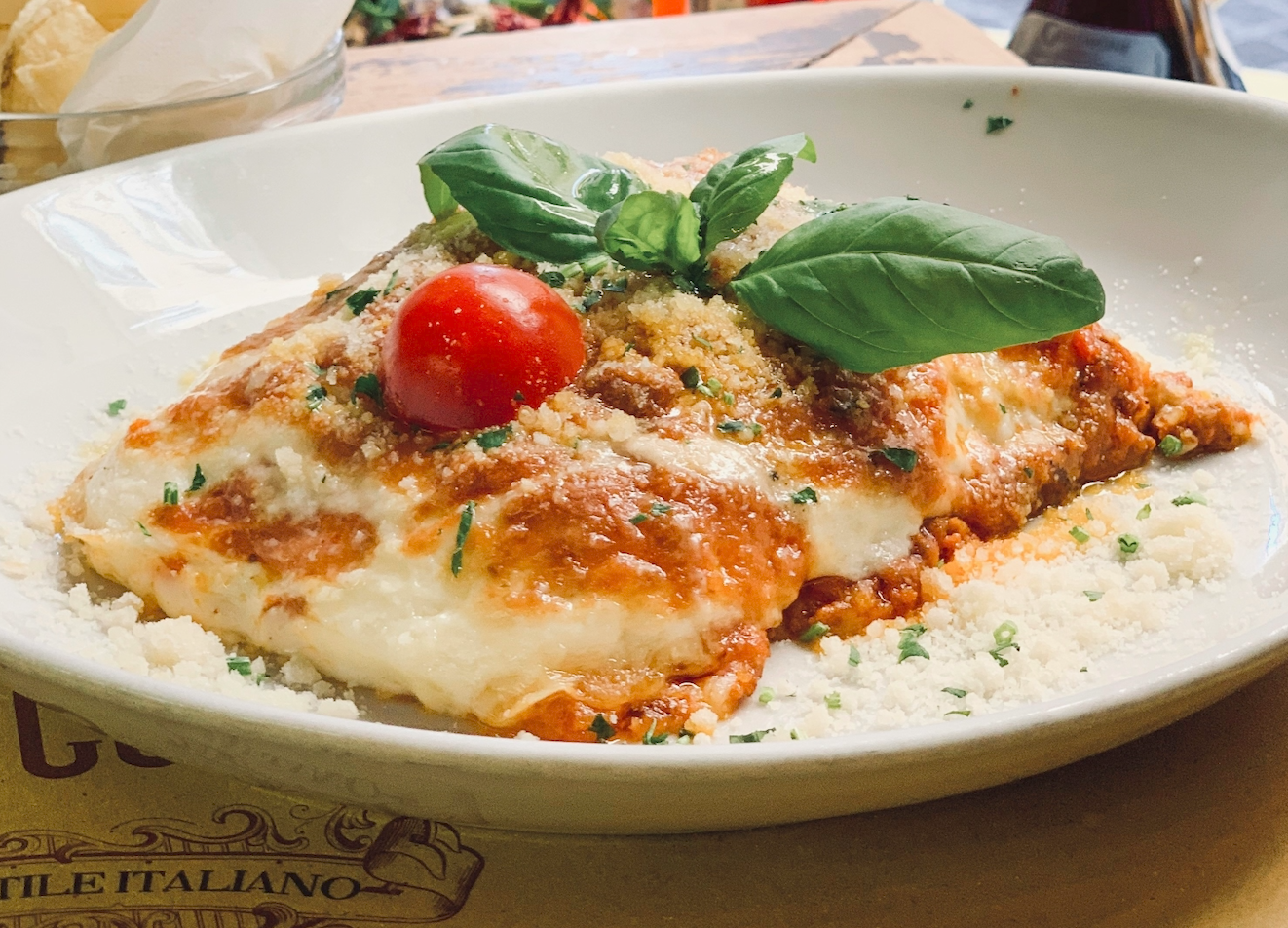
Roman cooking is not only found in restaurants in Rome, it began in Lazio’s kitchens, perfected over centuries by families who know that great food requires only the best ingredients. Go through any village market and you’ll understand why Roman cuisine took over the world: flawless artichokes that are turned into “Carciofi alla Romana,” guanciale so rich it turns simple pasta into carbonara magic, and cave-aged Pecorino Romano cheese that imparts that characteristic pungent bite Romans want.
Each plate is a testament to this territory’s history. The Pane casereccio di Genzano, the oldest Italian bread to be granted a special status of protection, still comes out of wood-baked ovens with the same sour starters that have been kept by some families for decades. See bakers at work and you realize why that bread lasts for days but never loses its vibrancy.
That real epiphany, however, is when you eat where locals eat. In remote hill-town trattorias, you’ll be treated to cacio e pepe cooked by someone who was taught by his great-grandmother. You’ll learn why amatriciana can’t be bettered. These are not relics, they’re essential, breathing traditions that nourish body and soul.

Wine
he Romans were drinking wines from hills about them for over 2,000 years, and once you’ve tasted them, you’ll understand why they never bothered to search anywhere else. The volcanic earth that shaped those rolling hills produces wines that possess a personality you wouldn’t find anywhere else.
Frascati remains the region’s flagship, a dry white wine that complements Rome’s cuisine and conjures up lazy summertime afternoons lolling around in countryside trattorias. Made from grapes that thrive on volcanic soils that are high in minerals, it’s a wine that is a bit like a sip of sunshine and history in a glass. You’ll find you can very easily reach the Frascati hills from Rome by train and thus it’s ideal when you crave a day of tasting at vineyards that are proditvely run.
And then there’s Cesanese, Lazio’s best-kept secret. This red grape is grown scarcely anywhere else in Italy, producing wines rich in cherry taste and spice that local residents have admired over generations. When Cesanese del Piglio received Italy’s highest wine classification in 2008, it simply validated what everyone around these parts already understood, volcanic terroir around these parts generates a very special product.
These are no wines to impress foreign critics. These are wines made for locals, who live, who drink, and who party there. This kind of honesty is irresistible.

Culture
Rome must and does dominate any Lazio cultural discussion. A stroll through the Forum, a stop in the Pantheon, or a glance over the Sistine Chapel ceiling connects you with mankind’s greatest achievements. The city boasts centuries of history that would span lifetimes to be seen.
But move out of the capital and you find that Roman civilization didn’t end when it reached city limits, it expanded throughout this area and still exists today. Viterbo is one of Italy’s best-kept medieval towns, and it boasts 11th-century city walls and authentic architecture that made it the papal throne for 24 years in the 13th century. Nowadays, it’s known for its volcanic thermal springs and a place where anyone can enjoy the same thermal civilization that Romans perfected centuries later.
Genzano’s face changes each June and transforms its city streets with intricate carpets of hundreds of thousands of petal flowers, a tradition now protected on UNESCO’s list. Possibly even more surprising, in tiny Cervara di Roma, a mountain city with just over 500 citizens decided to reinvent itself as an outdoor painting and invited artists around the world to create murals and sculptures down their ancient roads.
Regardless of whether you are strolling through Rome’s lively neighborhoods or finding thermal springs secreted in the countryside, you’re a part of a culture that has been unchanged over centuries. Here, people still congregate every night for aperitivo, still linger over long lunches and dinners, and still know that life’s richest moments occur when you slow down enough to actually taste them.



Places We Stay in Lazio

Donna Camilla Savelli
ExploreNestled in the heart of Trastevere, one of Rome’s most authentic and vibrant neighborhoods, Donna Camilla Savelli offers a serene escape just one mile from the city’s main attractions. Set within a beautifully preserved 17th-century Baroque convent, designed by Francesco Borromini, the hotel combines historical grandeur with modern comforts. Guests are within walking distance of Piazza Santa Maria in Trastevere, charming local trattorias, artisan shops, and the lively Roman nightlife.

QC Termeroma Spa and Resort
ExploreQC Termeroma offers a luxurious wellness retreat nestled in the verdant Oasi di Porto natural park just outside Rome. This elegant resort combines the tranquility of a historic estate with contemporary spa facilities, creating an immersive relaxation experience surrounded by aromatic rose gardens and centuries-old trees. The property harmoniously blends with its natural environment, designed to reconnect guests with the classical elements and instill a sense of inner peace.


Palatine Hill
Rising above the Roman Forum, Palatine Hill is one of the most important sites in ancient Rome, known as the legendary birthplace of the city. According to mythology, Romulus founded Rome here after defeating his twin brother Remus. During the Republic and Imperial periods, it became the residence of Rome’s elite, including emperors like Augustus, Tiberius, and Domitian, who built opulent palaces overlooking the city. Today, Palatine Hill is an open-air archaeological site featuring ruins of grand imperial residences, ancient temples, and gardens, offering breathtaking views of the Forum and the Colosseum.

Roman Forum
Sandwiched between the Palatine and Capitoline hills, the Forum Romanum (Roman Forum) is an open-air forum that was once the commercial, political, social, and religious hub of ancient Rome. Throughout the Imperial period, Emperors like Julius Caesar and Augustus expanded the Forum to include temples, statues, monuments, a senate house, and law courts. Today, the Forum Romanum is one of the most visited archaeological sites in the world and offers fascinating insights into Roman civilization.
Colosseum
Built under Emperor Vespasian in A.D. 70-72 and completed by his son Titus 10 years later, the Flavian Amphitheatre, or the Colosseum, is a massive stone arena that, at its peak, could accommodate 80,000 spectators. As in the movie ‘Gladiator,’ the Colosseum has hosted violent and brutal displays of gladiatorial combats and wild animal fights, all just for the delight of crowds. The inauguration lasted one hundred days, and approximately 9,000 animals and 2,000 gladiators were killed during the event. Today, the Colosseum is Rome’s most visited sight, which never fails to leave visitors awe-struck.
Basilica of San Clemente
The Basilica of San Clemente is more than a simple church; it is a real museum that houses layers and layers of history. Behind the humble doors of this 12th-century church lie the remnants of the original basilica dating back to the 4th century, the remains of a 1st-century Roman villa, and breathtaking Byzantine mosaics beautifully adorning the ceiling.

Spanish Steps
The Spanish Steps are a monumental stairway of 135 steps connecting the Piazza di Spagna at the base with the Piazza Trinità dei Monti at the top. Built between 1723 and 1725, the staircase was designed by Francesco de Sanctis and financed by French diplomat Étienne Gueffier. The steps are named after the Spanish Embassy to the Holy See located in the square below. At the foot of the stairs, you’ll find the iconic Fontana della Barcaccia (Fountain of the Boat) designed by Pietro Bernini. The Spanish Steps have been featured in many films and remain one of Rome’s most popular gathering places.

Trevi Fountain
The Trevi Fountain is the largest Baroque fountain in Rome and one of the most famous fountains in the world. Completed in 1762, it was designed by Nicola Salvi and stands 26.3 meters high and 49.15 meters wide. The fountain depicts Neptune, god of the sea, flanked by two Tritons. According to legend, visitors who toss a coin into the fountain ensure their return to Rome. Approximately €3,000 is thrown into the fountain each day, which is collected and donated to charity. The fountain has been featured in numerous films, most notably Federico Fellini’s “La Dolce Vita.”

Montecitorio Palace
Palazzo Montecitorio is a palace in Rome that houses the seat of the Italian Chamber of Deputies. The building was originally designed by Gian Lorenzo Bernini for Cardinal Ludovico Ludovisi, the nephew of Pope Gregory XV. Construction began in 1650 but was later completed by Carlo Fontana. The palace features a concave façade designed to enhance acoustics for public announcements. After Italian unification, the palace was chosen as the seat of the Chamber of Deputies, a role it continues to serve today. The building underwent significant restoration in the early 20th century under the direction of architect Ernesto Basile.

Pantheon
The Pantheon is a former Roman temple, now a church, completed by the emperor Hadrian around 126 AD. It is one of the best-preserved of all Ancient Roman buildings and has been in continuous use throughout its history. The building is remarkable for its massive domed ceiling with an oculus (a central opening to the sky) that remains the world’s largest unreinforced concrete dome. The Pantheon’s portico features 16 granite Corinthian columns. Since the Renaissance, the Pantheon has been used as a burial place for notable Italians, including the artist Raphael and several Italian kings.

San Luigi dei Francesi
The Church of San Luigi dei Francesi (Saint Louis of the French) is a Roman Catholic church and the national church of France in Rome. Built between 1518 and 1589, it was designed by Giacomo della Porta and dedicated to the Virgin Mary, Saint Denis the Areopagite, and St. Louis IX, king of France. The church is renowned for housing three masterpieces by Caravaggio: “The Calling of St Matthew,” “The Inspiration of Saint Matthew,” and “The Martyrdom of Saint Matthew.” These paintings, located in the Contarelli Chapel, showcase Caravaggio’s revolutionary use of chiaroscuro (dramatic contrasts between light and dark).

Piazza Navona
Piazza Navona is one of Rome’s most famous public squares, built on the site of the Stadium of Domitian where the ancient Romans came to watch competitive games. The oval shape of the piazza follows the outline of the stadium that once stood there. Three magnificent fountains adorn the square: the central and most spectacular Fontana dei Quattro Fiumi (Fountain of the Four Rivers) designed by Bernini; Fontana del Moro at the southern end; and Fontana di Nettuno at the northern end. The square is surrounded by restaurants, gelaterias, souvenir shops, and the Baroque church of Sant’Agnese in Agone, designed by Borromini and Rainaldi.

Full Belly Tours
Full Belly Tours offers an immersive culinary journey through Testaccio’s rich gastronomic landscape. The tour takes visitors to carefully selected food establishments where generations of Romans have eaten, from the historic Testaccio Market to family-run delis, traditional trattorias, and artisanal food shops. Participants sample authentic Roman specialties, including supplì (fried rice balls), pasta all’amatriciana, cacio e pepe, distinctive offal dishes like trippa alla romana (tripe), and local street food favorites. The expert guides provide cultural and historical context, explaining how Testaccio’s culinary traditions reflect Rome’s complex history and the ingenuity of its working-class residents.
Villa d’Este
Villa d’Este is a 16th-century masterpiece commissioned by Cardinal Ippolito II d’Este (son of Lucrezia Borgia) after his failed bid to become pope. The villa was designed by architect Pirro Ligorio and constructed between 1550-1572 as a statement of the cardinal’s wealth and power. While the palace interior features impressive Renaissance frescoes depicting classical and religious scenes, the true glory of Villa d’Este lies in its terraced gardens. These gardens showcase an extraordinary system of fountains, grottos, nymphs, and water features that operate entirely by gravity rather than pumps. Highlights include the Avenue of a Hundred Fountains, the water organ fountain that plays music through hydraulic power, and the grand Water Theatre Fountain. The villa exemplifies the Italian Renaissance garden aesthetic and demonstrates remarkable engineering innovation, earning its designation as a UNESCO World Heritage Site in 2001.


